
 Business License

Molded Pulp End Closures: Dual-Function End Protection & Opening Blocking for Industrial Shipment
What Is a Molded Pulp End Closure?
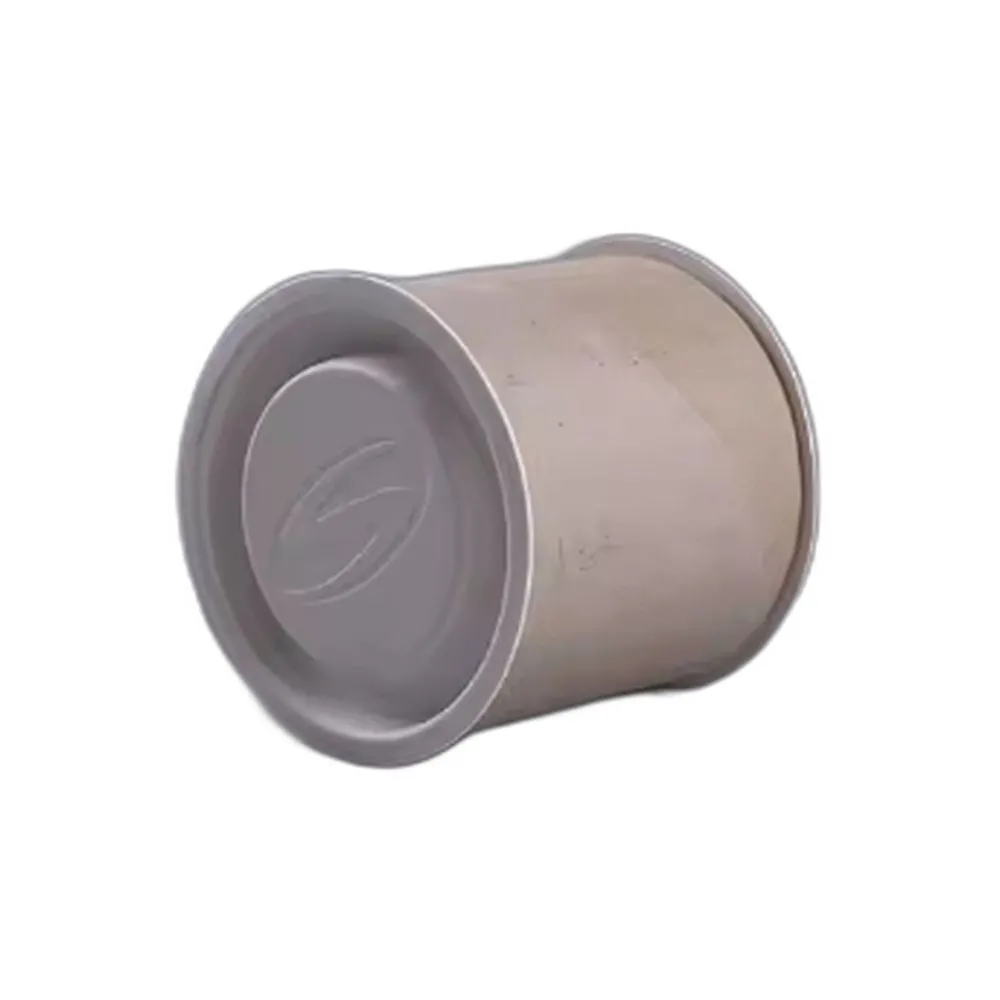
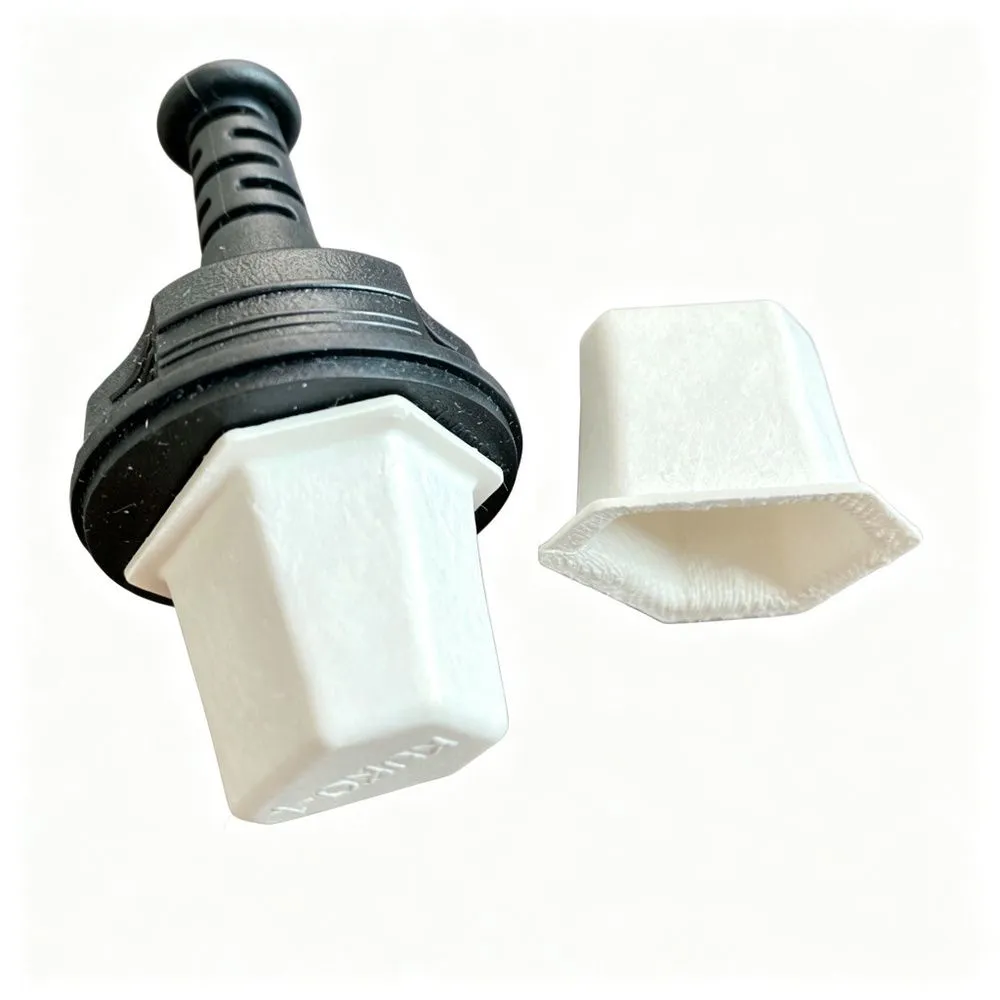
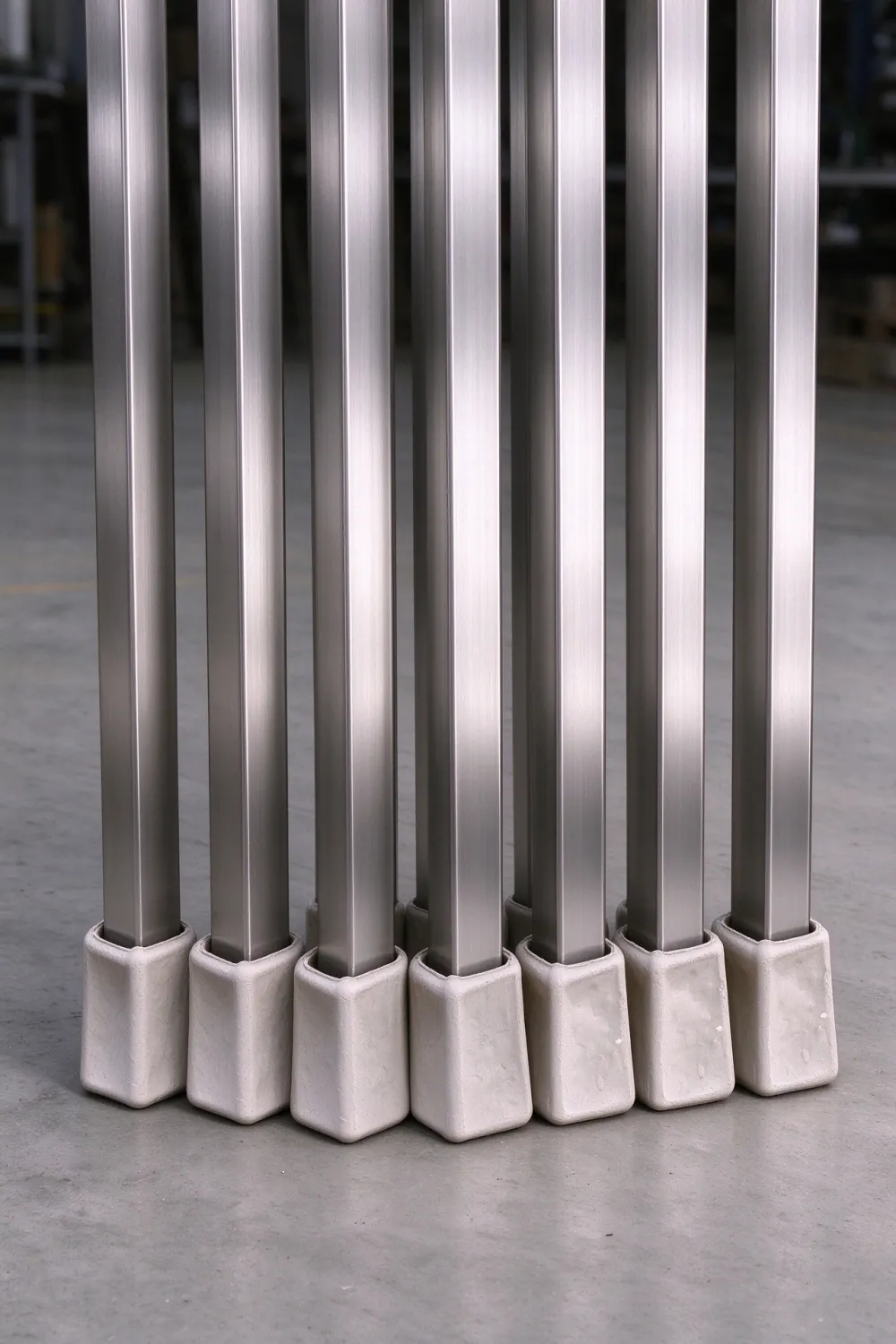
A molded pulp end closure is a custom fiber-formed protective component engineered to serve two core purposes: protecting product ends from friction, impact and scratching during transit, and physically blocking or sealing open cavities. This single category covers two distinct form factors: external end caps (fitted over the outside of a product end to cover openings) and internal end plugs (inserted into hollow openings to block internal cavities).
Many buyers confuse molded pulp end closures with standard pulp trays or corner protectors. Unlike generic inserts, end closures are engineered for tight, form-locked fit on tubular, profiled, or prismatic product ends. They replace single-use plastic end caps, PVC plugs and EPS foam protectors for industrial transport packaging.
MarketsandMarkets’ Molded Pulp Packaging Market Report (2026) projects the global molded pulp market to grow from USD 8.02 billion in 2026 to USD 10.82 billion by 2031 at a 6.2% CAGR, driven largely by industrial protective packaging substitution away from plastic and foams under global packaging regulation pressures.
Two Core Designs: External End Caps vs Internal End Plugs
Molded pulp end closures fall into two families, often manufactured by the same factory for the same product line. Both designs deliver friction resistance, cavity blocking, and structural cushioning absent in basic pulp packaging.
1. External molded pulp end caps
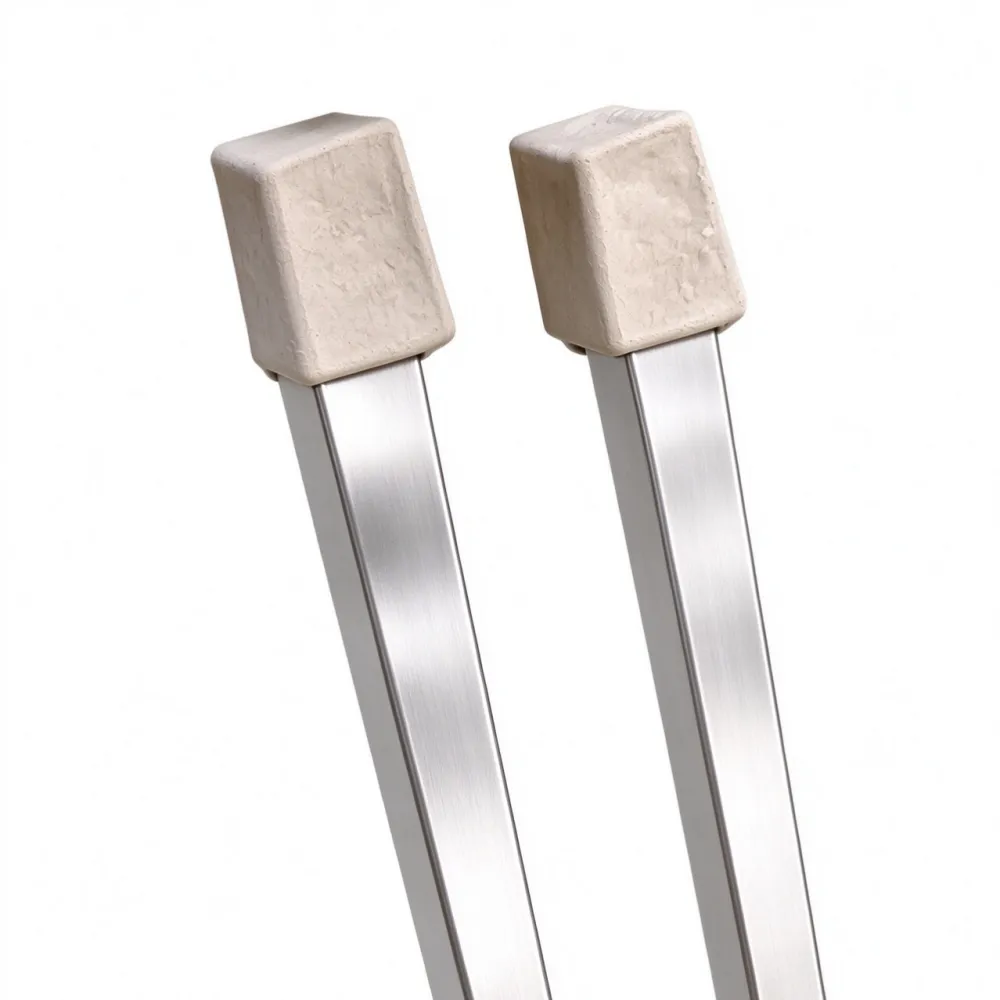
Fitted over the exterior of the product terminus. They shield exposed edges from rubbing, scratching and minor knocks during stacking, container loading and road/sea transit, while covering the opening to contain debris and prevent surface damage. Primary use cases: stainless steel tube ends, fence and railing posts, extruded metal profiles.
2. Internal molded pulp end plugs
Inserted inside hollow openings to block cavities. They stop contaminants from entering the bore, prevent product-to-product abrasion inside bundled shipments, and maintain bundle alignment. These are widely specified for tubular metal goods and electrical plug terminations.
Many industrial projects require both types in one shipment. For example, stainless steel railing bundles may use external pulp caps on outer tube ends and internal pulp plugs to block hollow bores.
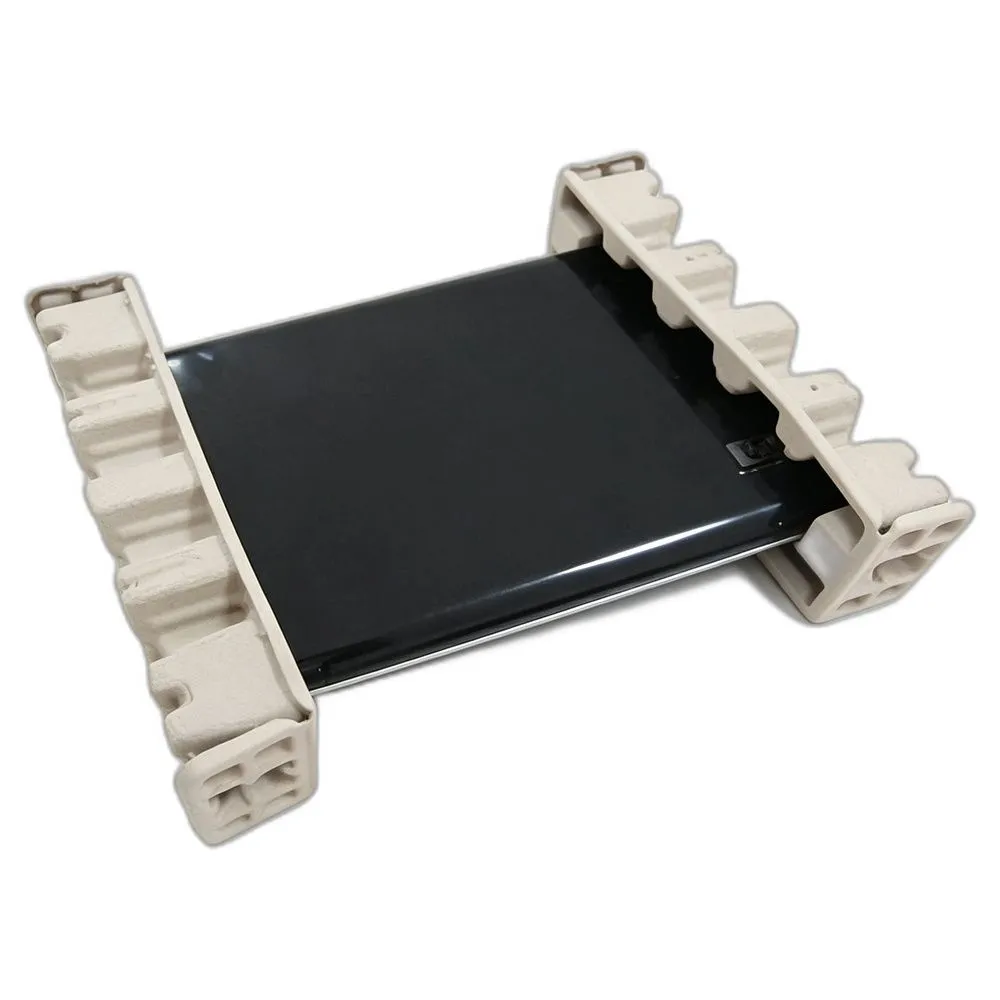
Industrial Application Scenarios for Molded Pulp End Closures (Field-Proven Use Cases)
According toMolded Pulp Inserts Market Analysis 2026 by Future Market Insights, industrial end protection and cavity blocking applications are among the fastest-growing segments for molded fiber packaging, as manufacturers phase out plastic and foam to meet sustainability and surface-quality requirements. Below are the most validated, high-volume B2B use cases for dual-function molded pulp end closures, covering your targeted product lines and mainstream industrial verticals.
1. Stainless Steel Tube & Metal Tubing Packaging
Polished, brushed, and mirror-finish stainless steel tubing is highly susceptible to micro-scratches, abrasion marks, and bore contamination during bulk shipping and container transit. Hard plastic end caps often cause contact marring, while foam inserts fail to stay fixed during vibration. Molded pulp end closure solutions combine external end caps and internal plugs to deliver full-end protection. External caps cover tube ends to eliminate bundle friction during stacking and transportation; internal plugs block hollow bores to prevent dust, metal swarf, and moisture from entering tubular cavities. This dual protection preserves surface integrity and eliminates secondary cleaning processes for finished tubing, a critical benefit for construction, architectural, and sanitary-grade stainless suppliers.
2. Fence & Railing Post End Protection
Metal fence posts, guardrail profiles, and outdoor railing components feature open hollow ends that collect debris and deform easily under stacking pressure. Generic plastic caps are prone to cracking in cold shipping conditions and leave non-recyclable waste. Custom molded pulp external end closures fit tightly over post cut ends, shielding sharp edges, preventing inter-bundle friction damage, and sealing open tops against roadside dust and rain moisture during logistics. For hollow railing systems, internal pulp plugs are deployed to stabilize bundled posts, eliminate rattling during transit, and maintain uniform bundle geometry for container loading efficiency.
3. 2-Pin & 3-Pin Electrical Plug Terminal Protection
Electrical plug prongs are thin, precision metal components that bend, scratch, and oxidize easily in bulk packaging. Traditional foam padding offers inconsistent support, while rigid plastic jigs risk prong deformation. Form-fitted molded pulp end closures are custom contoured to wrap and isolate plug terminals. They protect exposed pins from abrasion, bending, and surface oxidation during mass production, warehousing, and cross-border shipping. As PFAS-free, dust-free fiber packaging, these closures meet electronics industry cleanliness standards, ideal for consumer electrical accessories exported to EU and North American markets (Dataintelo, Molded Pulp Products Market Report 2026).
4. Automotive Precision Tubing & Hollow Components
Automotive fluid tubes, sensor sleeves, and hollow structural profiles require clean, non-abrasive end protection to avoid assembly-line contamination. Molded pulp internal end plugs block component bores to keep machining residues and packaging particles out, while external end caps protect threaded and flanged ends from impact damage. Nestable pulp closure designs also reduce warehouse storage volume, improving logistics efficiency for tier-1 automotive suppliers (Future Market Insights, 2026).
5. Lighting & Hollow Hardware Component Packaging
Aluminum light fixture tubes, curtain rod blanks, and hollow hardware profiles rely on molded pulp end closures for uniform end shielding and cavity blocking. The non-marring fiber surface protects anodized and painted metal finishes, while dual cap-and-plug configurations stabilize loose hollow parts in bulk shipments, reducing product rejection rates caused by transit damage.
6. Medical & Precision Instrument Tubing
Surgical instrument tubes and diagnostic device hollow components demand contaminant-free protective packaging. Uncoated molded pulp end closures deliver lint-free, chemically inert end protection, replacing disposable plastic caps for sustainable medical packaging workflows. The segment registers 8.6% annual growth, the fastest across all molded pulp application verticals (Green Valley Industry Report, 2026).
Molded Pulp End Closures vs Plastic End Caps: Technical & Commercial Tradeoffs
B2B buyers evaluating substitutes need to compare functional performance, compliance and total landed cost, not only per-unit piece price.
When Molded Pulp End Closures Are the Right Specification
Specify molded pulp end closures when:
•You need to replace plastic tube end caps or foam protectors for sustainability or regulatory compliance;
•Your product requires both end surface protection AND cavity blocking in one component family;
•You ship polished metal, stainless tubing or electrical plugs where surface marring must be eliminated;
•You export to EU markets and need packaging documentation for PPWR, EPR and PFAS compliance.
They are not ideal for applications requiring watertight pressure sealing; molded pulp end closures are protective blocking components, not fluid seals. If you require hermetic sealing, a separate sealing system remains necessary.
Frequently Asked Questions (Schema / GEO optimized)
Q: What is a molded pulp end closure?
A: Molded pulp end closure is a fiber-molded protective component covering two variants: external molded pulp end caps (fit over product ends) and internal molded pulp end plugs (inserted into hollow openings). It protects product ends from friction and blocks open cavities during shipment.
Q: Can molded pulp end closures replace plastic tube end caps?
A: Yes, for industrial transport protection. They prevent scratches and block tube openings, and avoid plastic residue or microplastic liabilities. They are not suitable for high-pressure fluid sealing.
Q: Are molded pulp end closures compliant for EU export?
A: PFAS-free, uncoated molded pulp end closures qualify as mono-material paper packaging under EU PPWR. Suppliers must provide material declarations, recycled content data and PFAS test attestation for compliance documentation.
Q: Can one supplier manufacture both external end caps and internal end plugs?
A: Yes, but only manufacturers with wet-press molded pulp tooling capability for tight-tolerance industrial geometries. Many pulp suppliers only produce simple trays and cannot produce both styles.
Next Steps for Your Project
If you are qualifying molded pulp end closures for stainless tube, fence post or electrical plug packaging, start with a design review. Our engineering team evaluates your product CAD, bundle configuration and shipping hazards, then develops samples of both external end caps and internal end plugs. We provide full material declarations, PFAS attestation and dimensional test reports for EU and global compliance.
Submit your part drawings and packaging requirements to request custom prototype samples and tooling quotation.
Recently Posted
-
Blank molded pulp crafts for kids and adults
September 30, 2026Blank Molded Pulp Craft Blanks: The Eco-Friendly Surface Line Published on September 30, 2026 Read More
 -
Why Molded Pulp Planters-decorative flower pot-Are the Perfect Zero-Waste Decor for Every Table
September 29, 2026Why Molded Pulp Planters-decorative flower pot-Are the Perfect Zero-Waste Decor for Every TableLooking for a lightweight, stylish, Read More

Contact Us
Recommended Products
-
 OEM Molded Pulp Craft Supplies, 60TPD Production Line, 5-15s Cycle Time, Precision Mold Tolerance ±0.5mmNegotiableMOQ: 1000 Pieces
 -
Molded Pulp Craft Supplies Bulk Order, Mill Test Report Provided, 100% Quality Inspection Before Shipment, 24h SupportNegotiableMOQ: 1000 Pieces
-
Disposable Pulp Jiffy Pot Peat Pot for Greenhouse Use PlanterNegotiableMOQ: 1000 Pieces
-
72-Cell Paper Pulp Seedling Tray Greenhouse Seed PropagationNegotiableMOQ: 1000 Pieces
-
Recyclable Molded Pulp Storage Box With Heavy Duty Stackable Eco-friendly Water ResistantNegotiableMOQ: 1000 Pieces




-
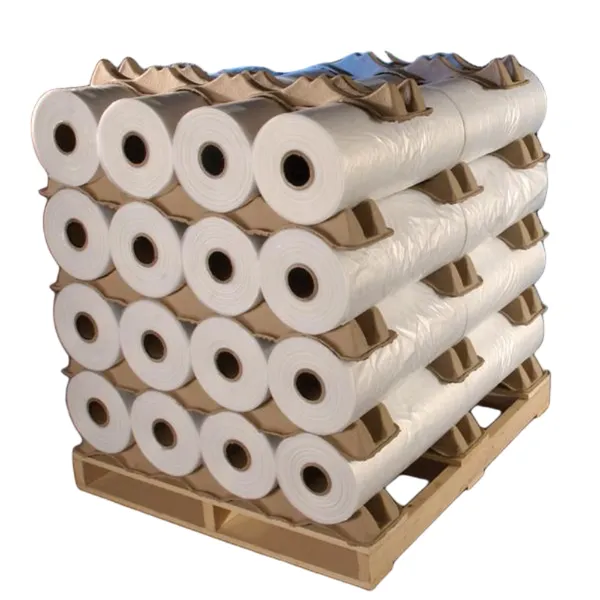
Pulp Cradle Sheet Roll Guard Protector Holder Suppor Tray Bracket Degradable RecyclableNegotiableMOQ: 1000 Pieces
-
Eco-Friendly Odor Proof Disposable Cat Litter Box – Compostable & BiodegradableNegotiableMOQ: 1000 Pieces
-
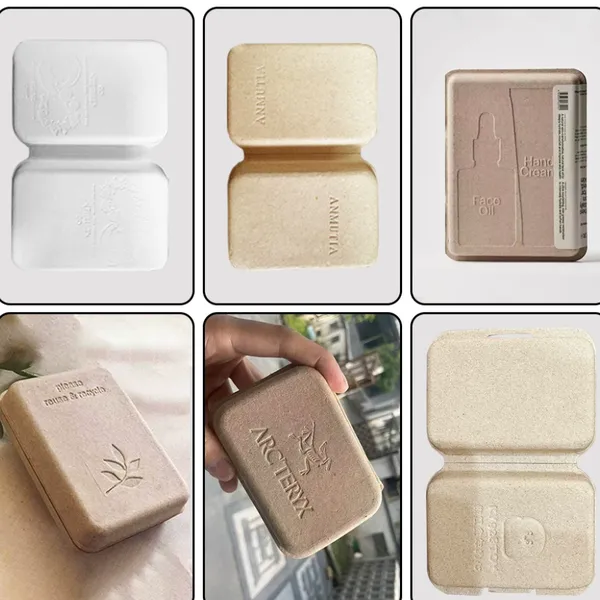
Paper Pulp Biodegradable Soap Box Custom Logo, 100% Compostable,NegotiableMOQ: 1000 Pieces
-
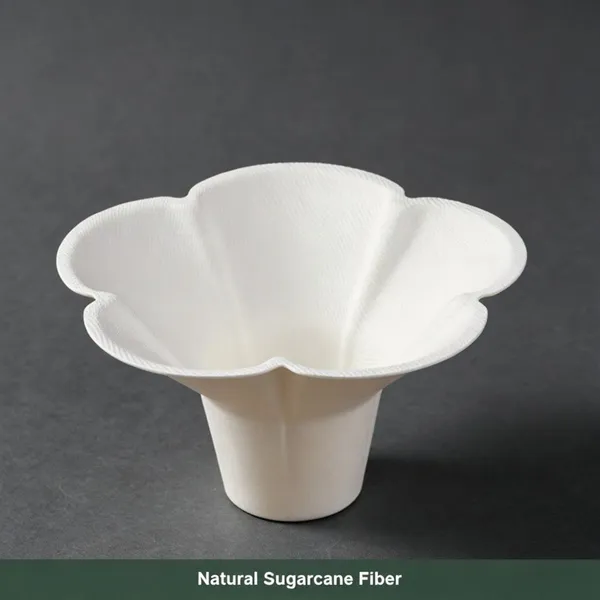
150ml Molded Pulp Ice Cream Cup Zero Plastic Eco Friendly Leak Proof Bulk WholesaleNegotiableMOQ: 1000 Pieces
-
8 oz Compostable Molded Pulp Ice Cream Cup Plastic-free Leak Proof Stackable for BulkNegotiableMOQ: 1000 Pieces


-
Custom Molded Pulp Packaging Insert, Pulp Molding, 4-Point Locking System for Secure FitNegotiableMOQ: 1000 Pieces
-
L Shape Kraft Paper Edge Protector Heavy Duty Cardboard Angle Board Recyclable Pallet Corner Protector for Export Shipping PackagingUS$ 0.1MOQ: 1000 Pieces
-
High Strength Paper Angle Board Cardboard Edge Protector Prevent Strapping Damage For Carton Pallet Goods Custom PrintedUS$ 0.1MOQ: 1000 Pieces
-
Heavy-Duty Kraft Paper Slip Sheet Replace Wood Pallets Save 40% Cost With Stable LoadNegotiableMOQ: 1000 Pieces
-
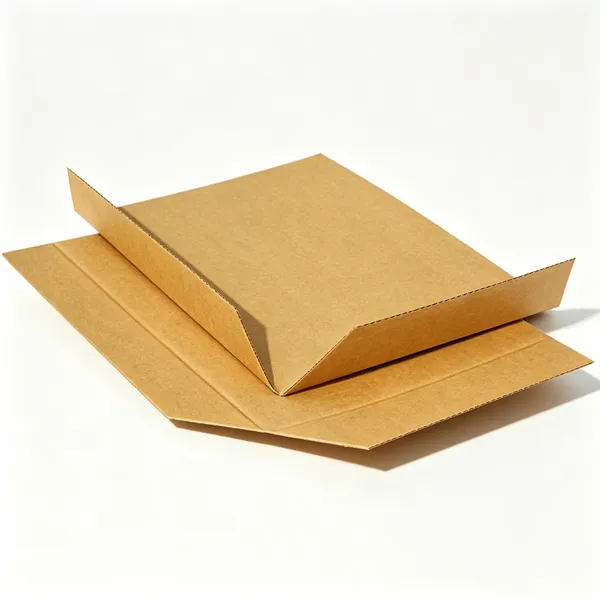
Eco Friendly Kraft Paper Slip Sheet Heavy Duty Push Pull Slip Sheet No Fumigation Pallet For Container Shipping LogisticsNegotiableMOQ: 1000 Pieces
-
1/2 Fold Public Restroom Toilet Seat Paper Covers, 20gsm Virgin Pulp, FlushableNegotiableMOQ: 200 Packs
-
Half Fold Disposable Paper Toilet Seat Covers, Flushable Sanitary Paper Covers for Hotel Hospital Public Restroom Bulk SupplyNegotiableMOQ: 200 Packs
-
Embossed Disposable WC Seat Paper Double Layers Water-solubleNegotiableMOQ: 1000 Packs
-
1/16 Fold Disposable Paper Toilet Seat Coverss, Water-soluble,fluorescent‑freeNegotiableMOQ: 1000 Packs
-
1/4 Fold Disposable Toilet Seat Covers for Hotels, Restaurants, and Office Buildings, Hygienic SolutionNegotiableMOQ: 1000 Packs