
 Business License

Biodegradable Seedling Pots & Nursery Trays: Why Molded Pulp Is Replacing Plastic
Biodegradable Seedling Pots & Nursery Trays: Why Molded Pulp Is Replacing Plastic
The shift nobody in horticulture can ignore
Walk through any commercial nursery, greenhouse, or seed-starting operation and you'll still see row after row of black plastic plug trays and polyethylene nursery pots. They're cheap. They're durable. They've been the default for decades.
But the economics—and the regulations—are changing fast. Single-use agricultural plastics are coming under fire across the EU, the UK, and North America, and growers are looking for biodegradable seedling pots and compostable nursery trays that don't leave a plastic cleanup problem behind.
This is where molded pulp seed starting pots have quietly become the go-to swap. Made from sugarcane bagasse, bamboo fiber, or recycled paper, they deliver everything plastic does—and a few things plastic never could.
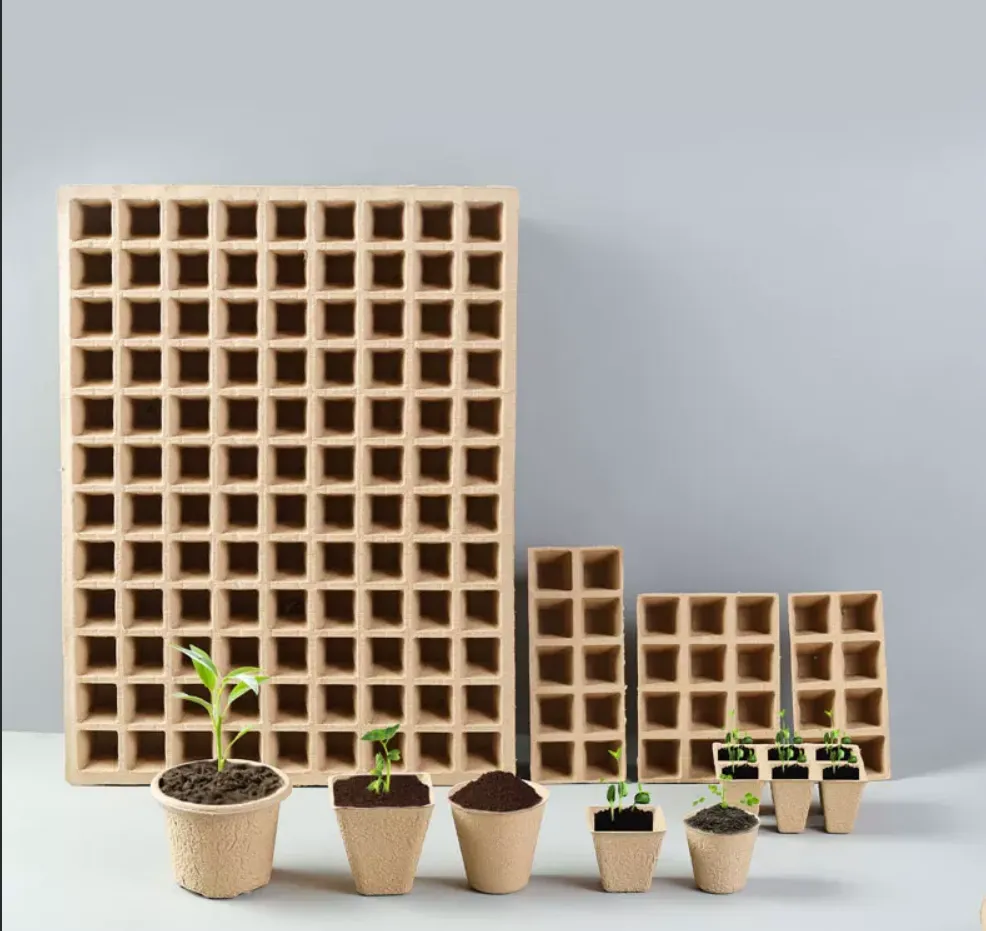
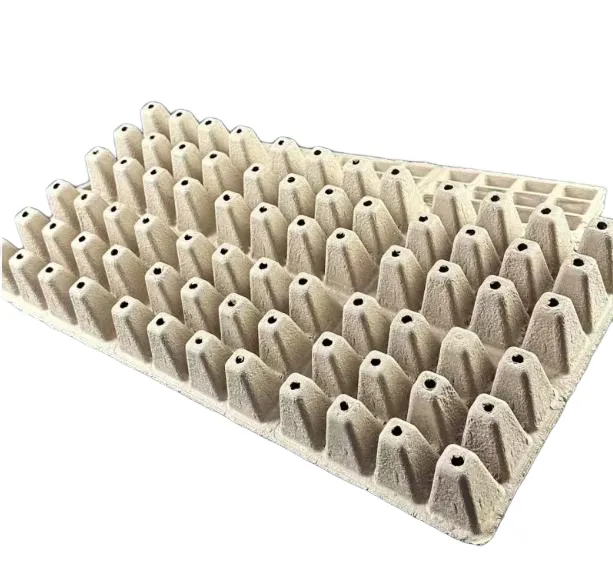
What are molded pulp seedling pots, anyway?
Molded pulp growing pots are formed by pulling a fiber slurry through a fine mesh mold and then drying it. The result is a rigid, breathable container with a slight texture—think of an egg carton, but engineered for roots.
The material itself matters:
Sugarcane bagasse (the fiber left over after sugarcane is pressed for juice) is the most common choice—renewable, lightweight, and naturally tree-free.
Bamboo and recycled wood fiber offer added strength for heavier crops.
Recycled paper pulp is the most budget-friendly option for dry-pressed products.
None of these contain peat, so they're a genuine peat-free seed pot alternative—a big deal for garden brands marketing to eco-conscious consumers.
What makes paper seed starting pots perform better
1. You plant the whole pot—no pulling, no teasing roots
This is the single biggest labor saver. With plastic pots, a worker has to squeeze, twist, and often tear the pot off the root ball before transplanting. That damages roots, slows establishment, and slows down the whole crew.
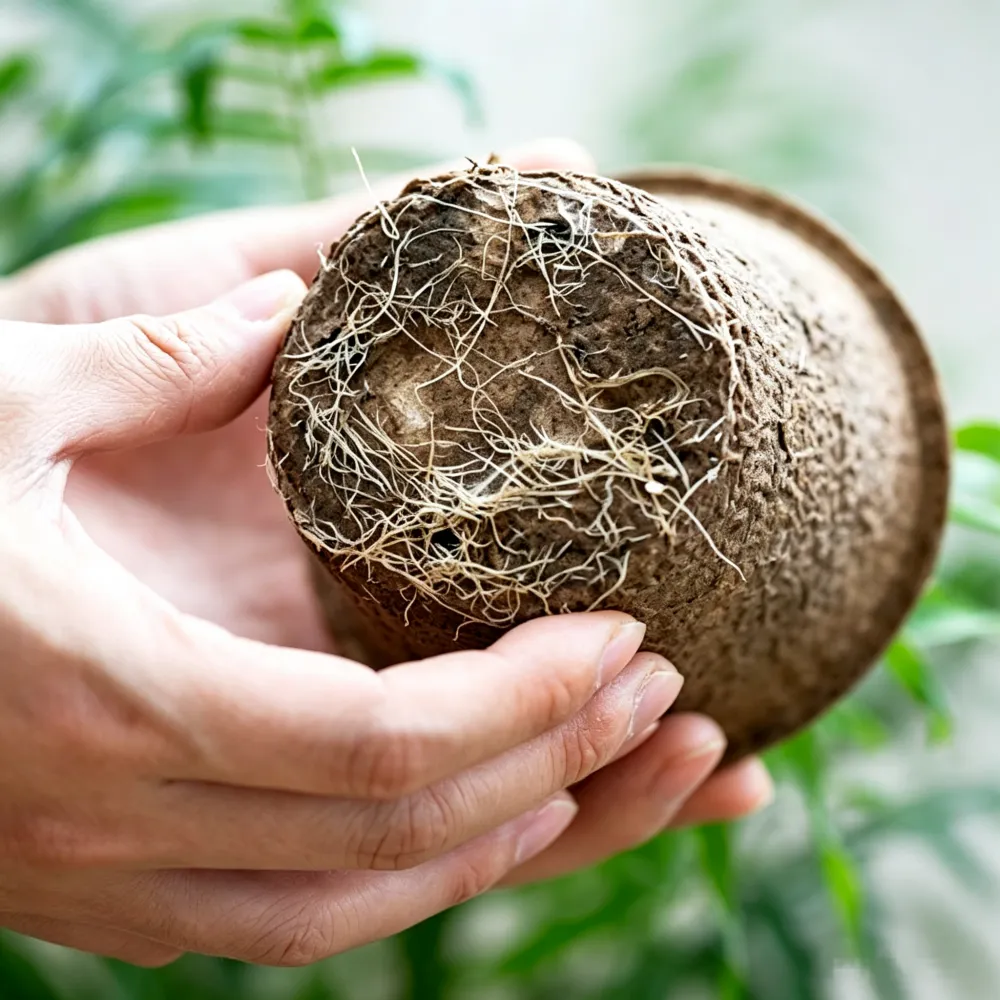
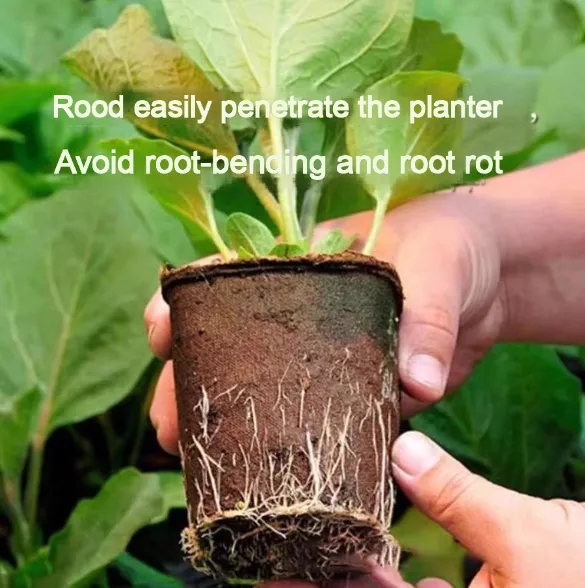
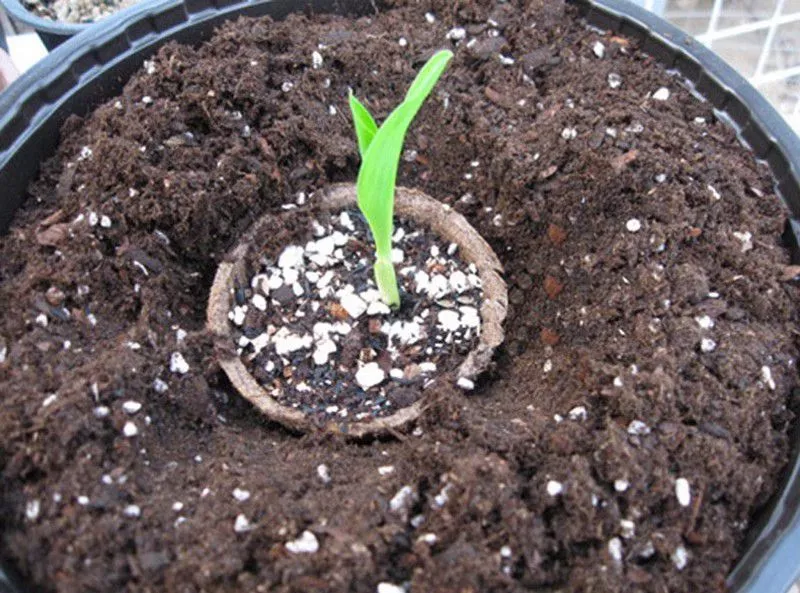
With plantable pulp pots, you simply set the pot and seedling straight into the soil or larger container. Roots grow right through the wall, and the pot breaks down around them. No transplant shock. No root disturbance. No "let's hope we don't knock the soil ball apart" moment.
2. Air pruning actually works
Plastic pots trap roots against a non-breathable wall, and they spiral around and around—what growers call root circling or girdling. By the time you transplant, you've got a dense knot that can strangle the plant for years.
Pulp walls dry out at the edges, which signals root tips to stop growing outward and start growing down. That's air pruning, and it produces a fibrous, downward-reaching root system that establishes fast after transplant.
3. Breathability you can't fake
Fiber walls exchange air and water like a second skin. The medium doesn't stay waterlogged, it doesn't cook roots in direct sun, and it's far more forgiving for new growers and large operations alike.
4. Fully compostable—no waste stream to manage
Here's the part that operations managers love. When the season ends, there's nothing to collect, wash, stack, or send to a recycling center. The used pot is tilled into the soil or added to a compost pile, where it breaks down into organic matter over a few months.
No waste disposal. No plastic collection runs. No bins of dirty pots cluttering the greenhouse. That's the environmental advantage that actually moves the needle on labor costs, not just marketing claims.
Pulp vs. plastic, side by side
| Plastic (PE/PP) pots & trays | Molded pulp seedling pots & trays | |
|---|---|---|
| Material | Fossil-fuel plastic | Bagasse / bamboo / recycled paper |
| End-of-life | Persists for decades; needs collection & disposal | Biodegrades in soil or compost |
| Transplant | Must remove pot; root disturbance common | Plant pot directly; root-friendly |
| Root growth | Prone to circling and girdling | Air-pruned, fibrous root system |
| Post-season labor | Collect, wash, store, dispose | Tilled in—no handling |
| Peat-free / plastic-free claim | No | Yes |
| Regulatory fit | Increasingly restricted | Aligns with single-use plastic bans |
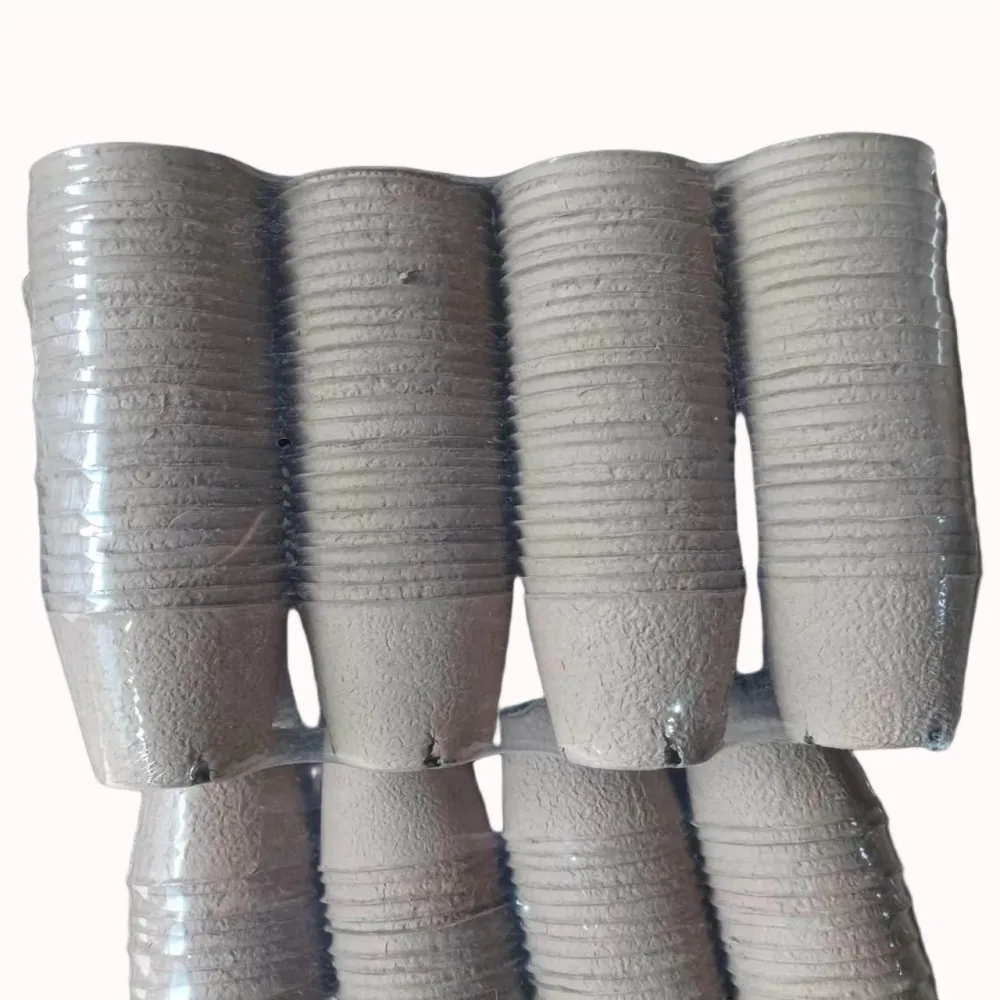
Who's switching—and why
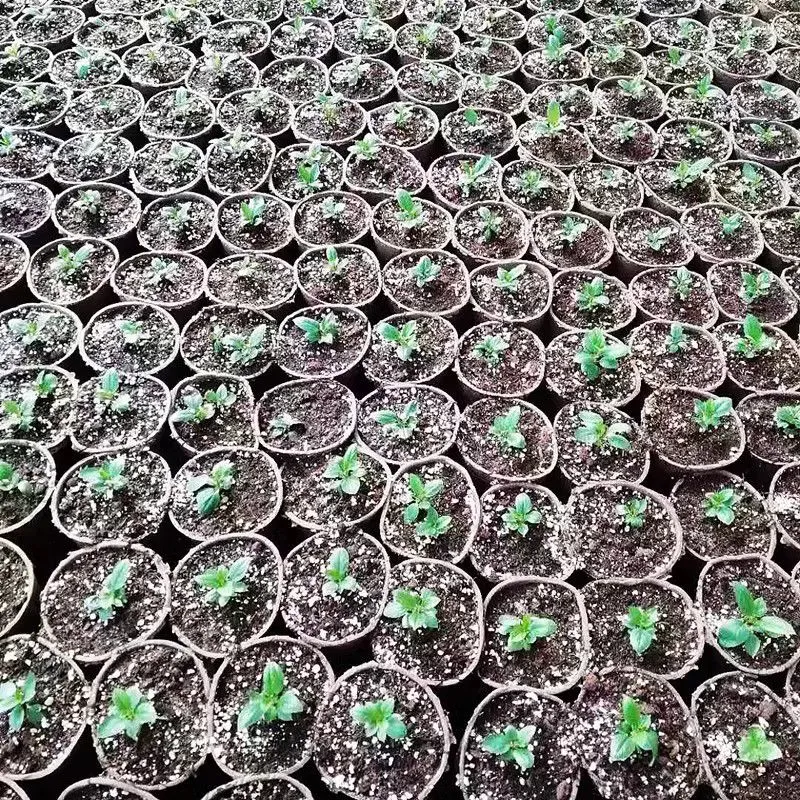
Commercial vegetable & fruit growers raising transplants for field planting, where fast establishment and low per-unit labor matter.
Tree nurseries and reforestation projects that need root-control containers that break down in the planting hole.
Organic farms and CSA brands that need certified-compostable inputs.
Garden retailers and DTC plant brands selling to shoppers who actively search "plastic-free seed starting" and "compostable plant pots."
Export growers shipping to the EU and UK, where single-use plastic restrictions are tightening every year.
The bottom line
Switching to biodegradable nursery trays and molded fiber seedling pots isn't just an environmental gesture. It removes a whole category of work from your season—no de-potting, no collecting, no washing, no disposing—and it produces healthier, better-established plants at the same time.
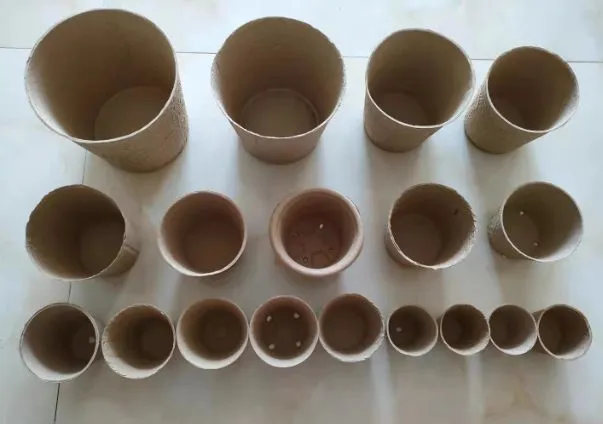
If you're spec'ing containers for a seed-starting line, a plug tray program, or a branded garden retail SKU, we can tool up to your crop cell size, wall thickness, and embossed branding. Reach out for samples.
Recently Posted
-
Saying Goodbye to Plastic Pots: The Case for Molded Pulp Planters in Festive Landscaping
October 17, 2026Saying Goodbye to Plastic Pots: The Case for Molded Pulp Planters in Festive Landscaping Read More
-
Custom 3D Molded Pulp Packaging: Form-Fitted Protection That Absorbs Transport Damage
October 14, 2026Custom 3D Molded Pulp Packaging: Form-Fitted Protection That Absorbs Transport Da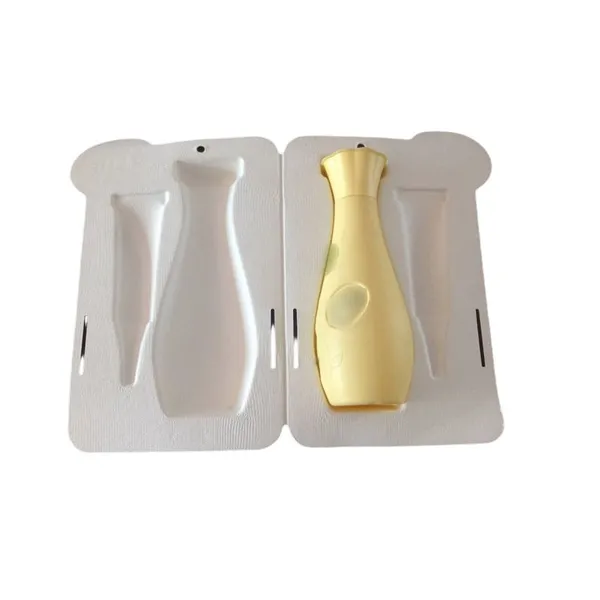 Read More
-
Why Pulp Fold Case Is The Most Underrated Eco Packaging Star In 2026
October 9, 2026Why Pulp Fold Case Is The Most Underrated Eco Packaging Star In 2026Let’s be real: sustainable packaging doesn’t have to be boring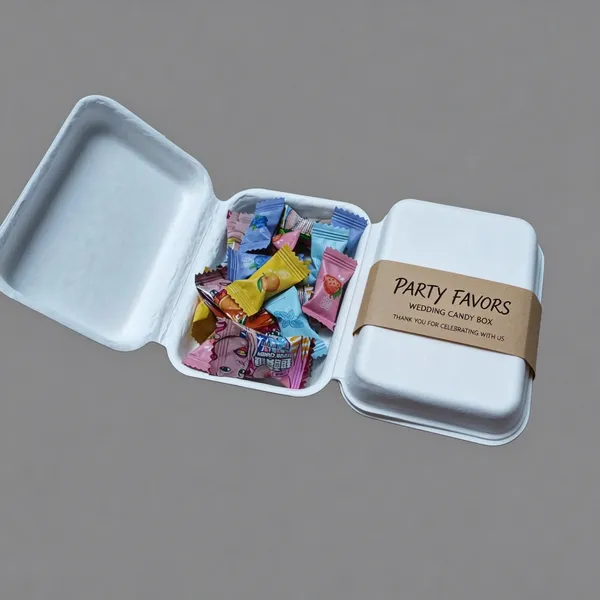 Read More
-
Molded Pulp Applications | Full-Scene Sustainable Molded Fiber Packaging Solutions
October 8, 2026Molded Pulp Applications | Full-Scene Sustainable Molded Fiber Packaging SolutionsMolded pulp (also known as molded fiber) is a le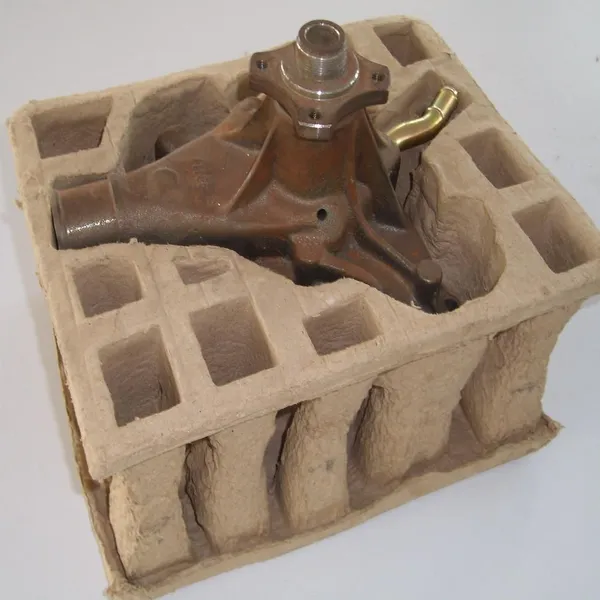 Read More

Contact Us
Recommended Products
-
 OEM Molded Pulp Craft Supplies, 60TPD Production Line, 5-15s Cycle Time, Precision Mold Tolerance ±0.5mmNegotiableMOQ: 1000 Pieces
-
Molded Pulp Craft Supplies Bulk Order, Mill Test Report Provided, 100% Quality Inspection Before Shipment, 24h SupportNegotiableMOQ: 1000 Pieces
-
Disposable Pulp Jiffy Pot Peat Pot for Greenhouse Use PlanterNegotiableMOQ: 1000 Pieces
-
72-Cell Paper Pulp Seedling Tray Greenhouse Seed PropagationNegotiableMOQ: 1000 Pieces
-
Recyclable Molded Pulp Storage Box With Heavy Duty Stackable Eco-friendly Water ResistantNegotiableMOQ: 1000 Pieces

-
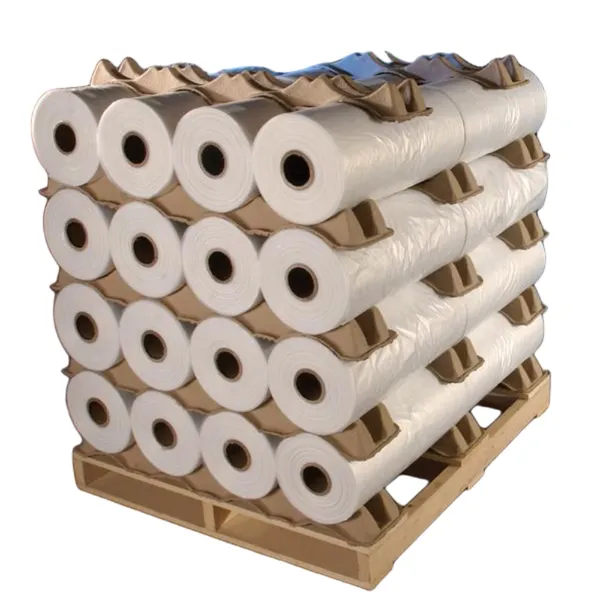
Pulp Cradle Sheet Roll Guard Protector Holder Suppor Tray Bracket Degradable RecyclableNegotiableMOQ: 1000 Pieces
-
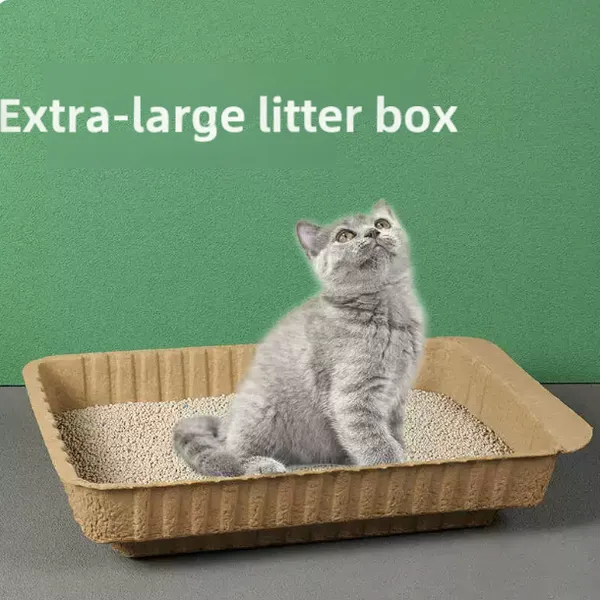
Eco-Friendly Odor Proof Disposable Cat Litter Box – Compostable & BiodegradableNegotiableMOQ: 1000 Pieces
-
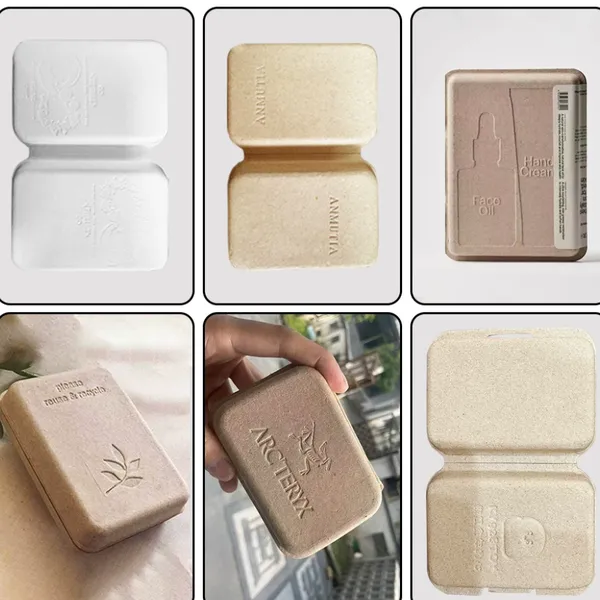
Paper Pulp Biodegradable Soap Box Custom Logo, 100% Compostable,NegotiableMOQ: 1000 Pieces
-
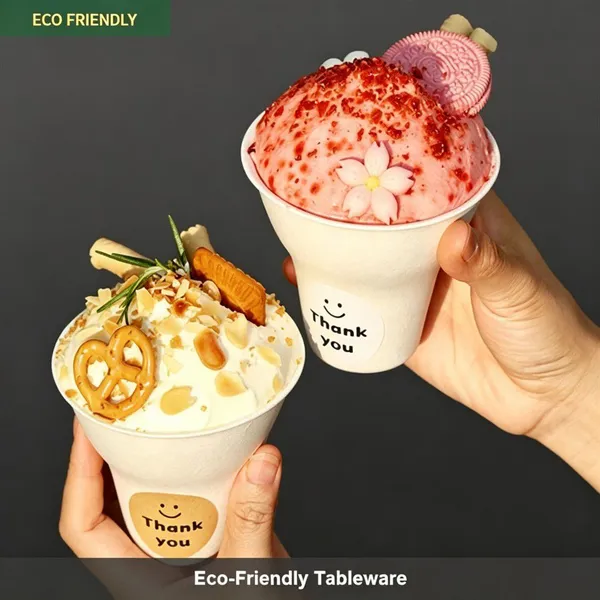
150ml Molded Pulp Ice Cream Cup Zero Plastic Eco Friendly Leak Proof Bulk WholesaleNegotiableMOQ: 1000 Pieces
-
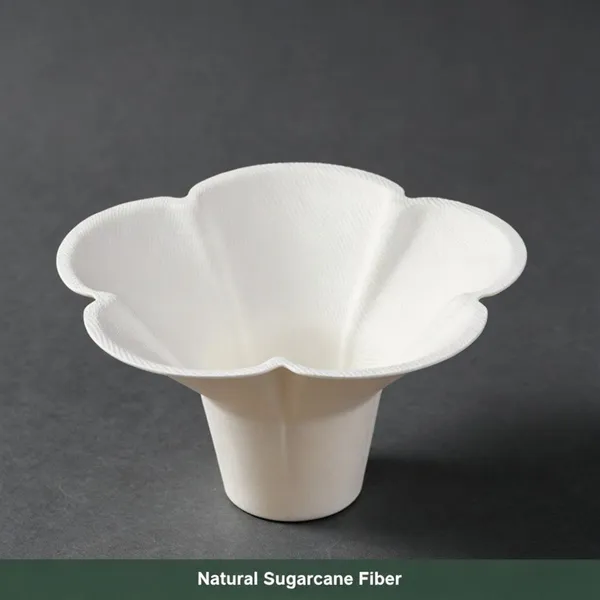
8 oz Compostable Molded Pulp Ice Cream Cup Plastic-free Leak Proof Stackable for BulkNegotiableMOQ: 1000 Pieces
-
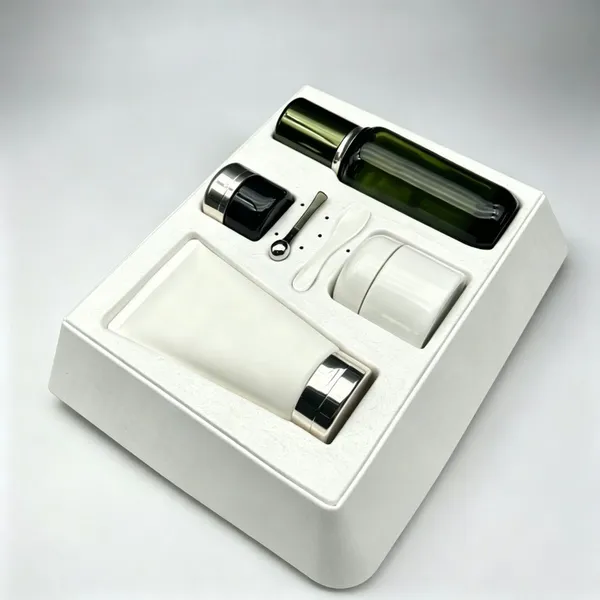
Custom Molded Pulp Packaging Insert, Pulp Molding, 4-Point Locking System for Secure FitNegotiableMOQ: 1000 Pieces
-
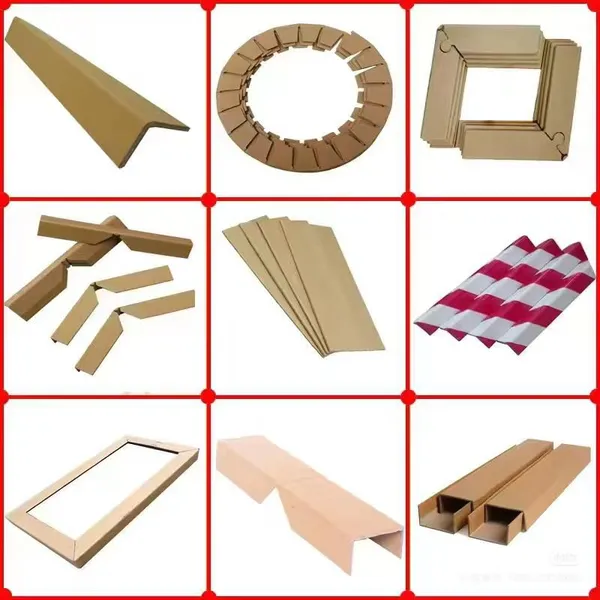
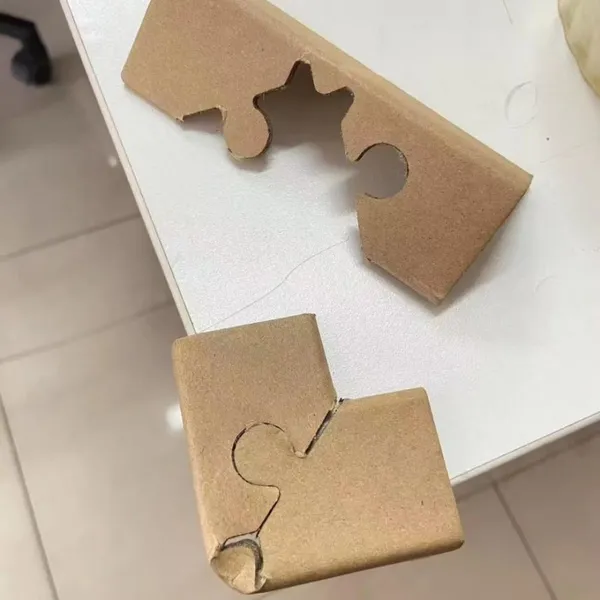
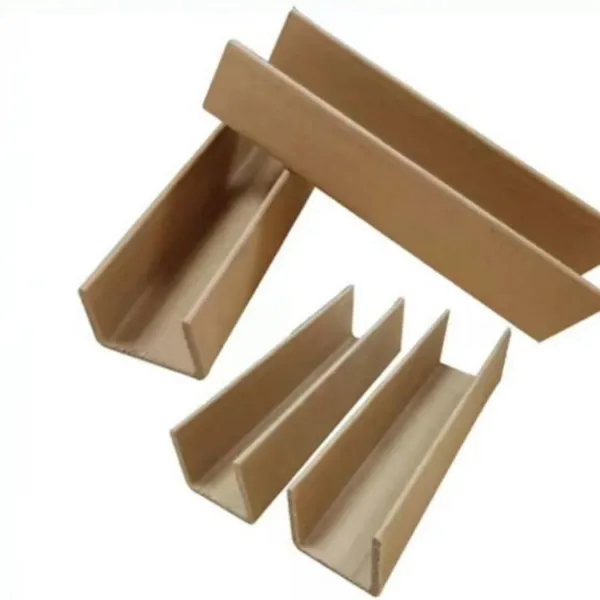
L Shape Kraft Paper Edge Protector Heavy Duty Cardboard Angle Board Recyclable Pallet Corner Protector for Export Shipping PackagingUS$ 0.1MOQ: 1000 Pieces
-
High Strength Paper Angle Board Cardboard Edge Protector Prevent Strapping Damage For Carton Pallet Goods Custom PrintedUS$ 0.1MOQ: 1000 Pieces
-
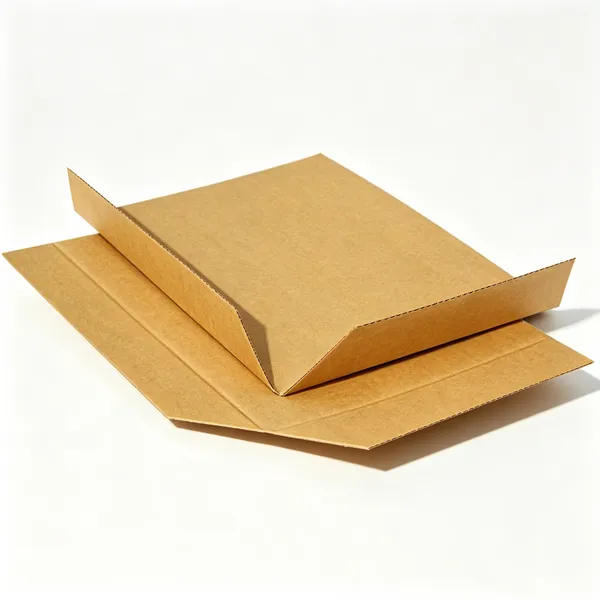
Heavy-Duty Kraft Paper Slip Sheet Replace Wood Pallets Save 40% Cost With Stable LoadNegotiableMOQ: 1000 Pieces
-
Eco Friendly Kraft Paper Slip Sheet Heavy Duty Push Pull Slip Sheet No Fumigation Pallet For Container Shipping LogisticsNegotiableMOQ: 1000 Pieces
-
1/2 Fold Public Restroom Toilet Seat Paper Covers, 20gsm Virgin Pulp, FlushableNegotiableMOQ: 200 Packs
-
Half Fold Disposable Paper Toilet Seat Covers, Flushable Sanitary Paper Covers for Hotel Hospital Public Restroom Bulk SupplyNegotiableMOQ: 200 Packs
-
Embossed Disposable WC Seat Paper Double Layers Water-solubleNegotiableMOQ: 1000 Packs
-
1/16 Fold Disposable Paper Toilet Seat Coverss, Water-soluble,fluorescent‑freeNegotiableMOQ: 1000 Packs
-
1/4 Fold Disposable Toilet Seat Covers for Hotels, Restaurants, and Office Buildings, Hygienic SolutionNegotiableMOQ: 1000 Packs