
 Business License

Saying Goodbye to Plastic Pots: The Case for Molded Pulp Planters in Festive Landscaping
Saying Goodbye to Plastic Pots: The Case for Molded Pulp Planters in Festive Landscaping
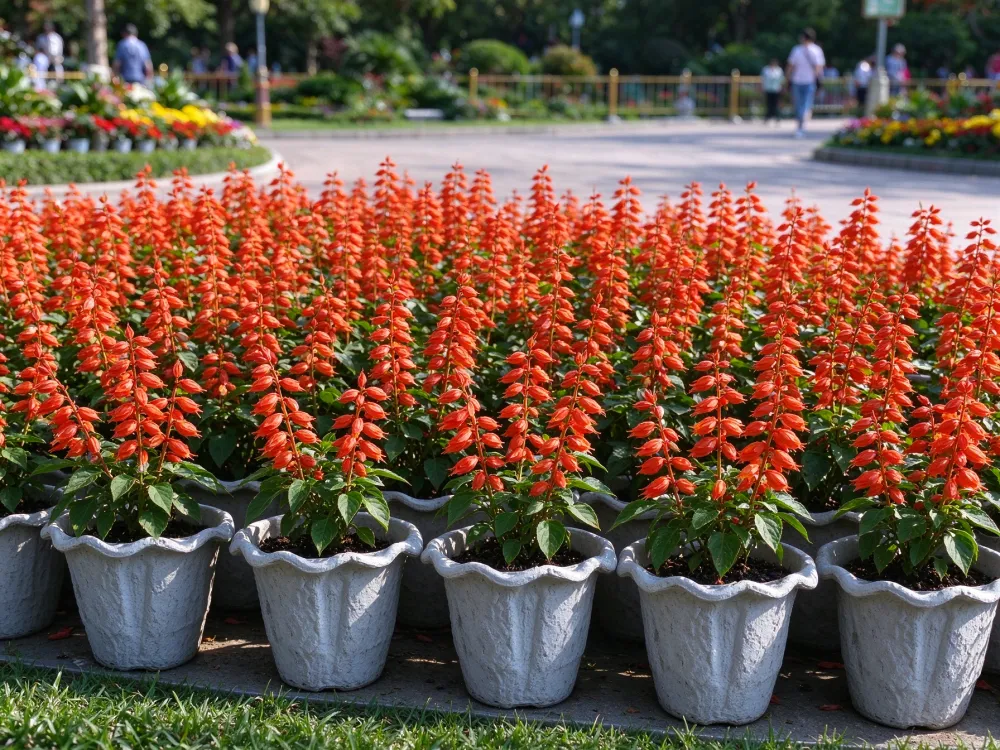
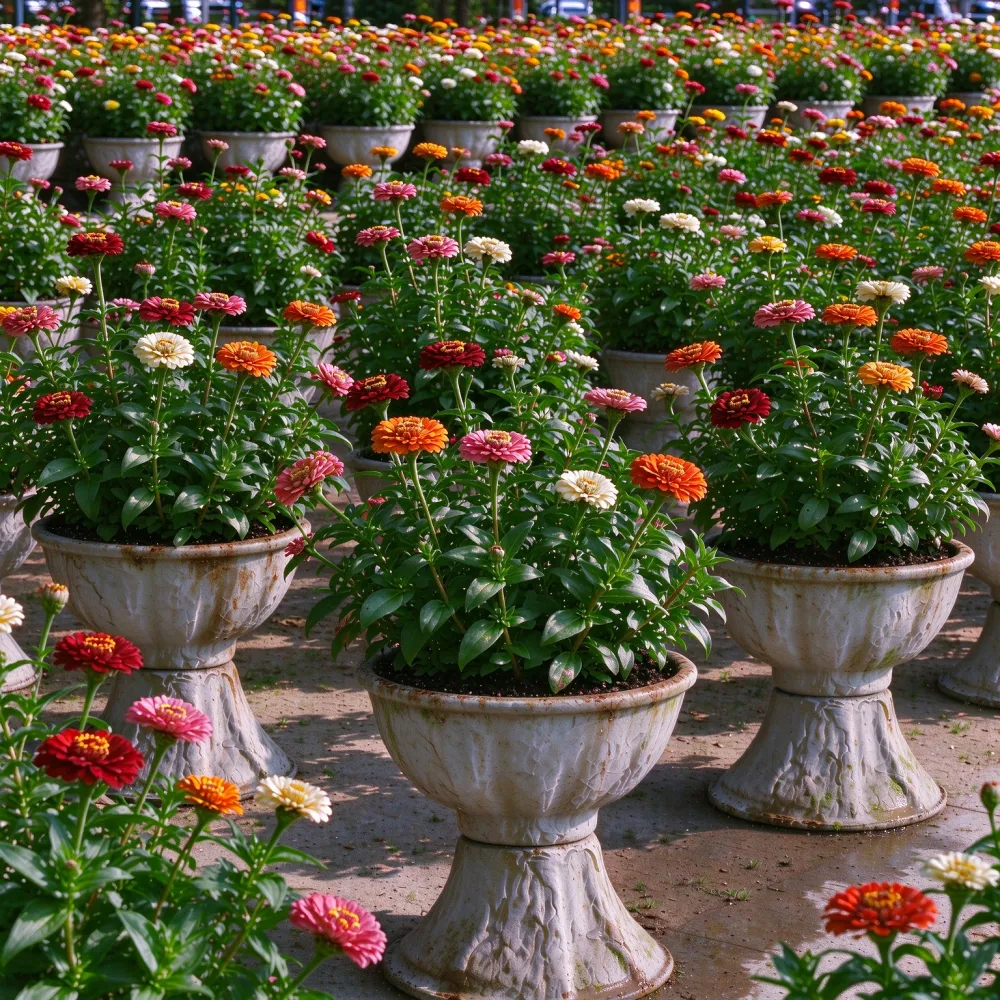
Festive landscaping runs on a deceptively simple cycle: plant, bloom, tear down. The annuals and bedding plants that fill these displays—pansies, primroses, poinsettias, tulips—live for a season and then bow out. The plastic pots that carried them, though, are far less cooperative. When the show ends, stacks of single-use plastic pots sit waiting to be hand-sorted and hauled away. For anyone running seasonal displays, it’s a familiar and genuinely frustrating chore.
A “Use-Once, Discard-Everything” Way of Working
Event planners, municipalities, retailers, and wedding designers all lean on short-lived annuals and tender bedding plants. These are plants built for a season, not for years—they go in, they shine for a few weeks, and they come out by the truckload. That makes festive landscaping a very different ballgame from home gardening.
Two things set it apart:
· A short, defined use window. The pot only needs to hold up through the display period, not through years of repotting.
· Disposal in one go. When the display comes down, a large batch of pots hits the waste stream at once, so how they’re handled matters a lot for both cost and curb appeal.
With conventional plastic pots, that means non-biodegradable waste that has to be picked out by hand. It’s a real, recurring pain point.
Why This Setting Is a Natural Match for Pulp Pots
Molded pulp plant pots deliver their value exactly where festive landscaping needs it most: use the pot, then let it disappear. The fit is threefold:
1. The timing lines up. A short-lived plant’s whole life cycle roughly matches how quickly a pulp pot starts to break down under natural conditions.
2. There’s strength to spare. For a few weeks of display, a pulp pot holds up just fine—you don’t need the decade-long durability of plastic.
3. Clean, one-step disposal. At teardown you can compost or bury the pot along with the spent plants, skipping the sorting step and keeping plastic out of the picture from the start.
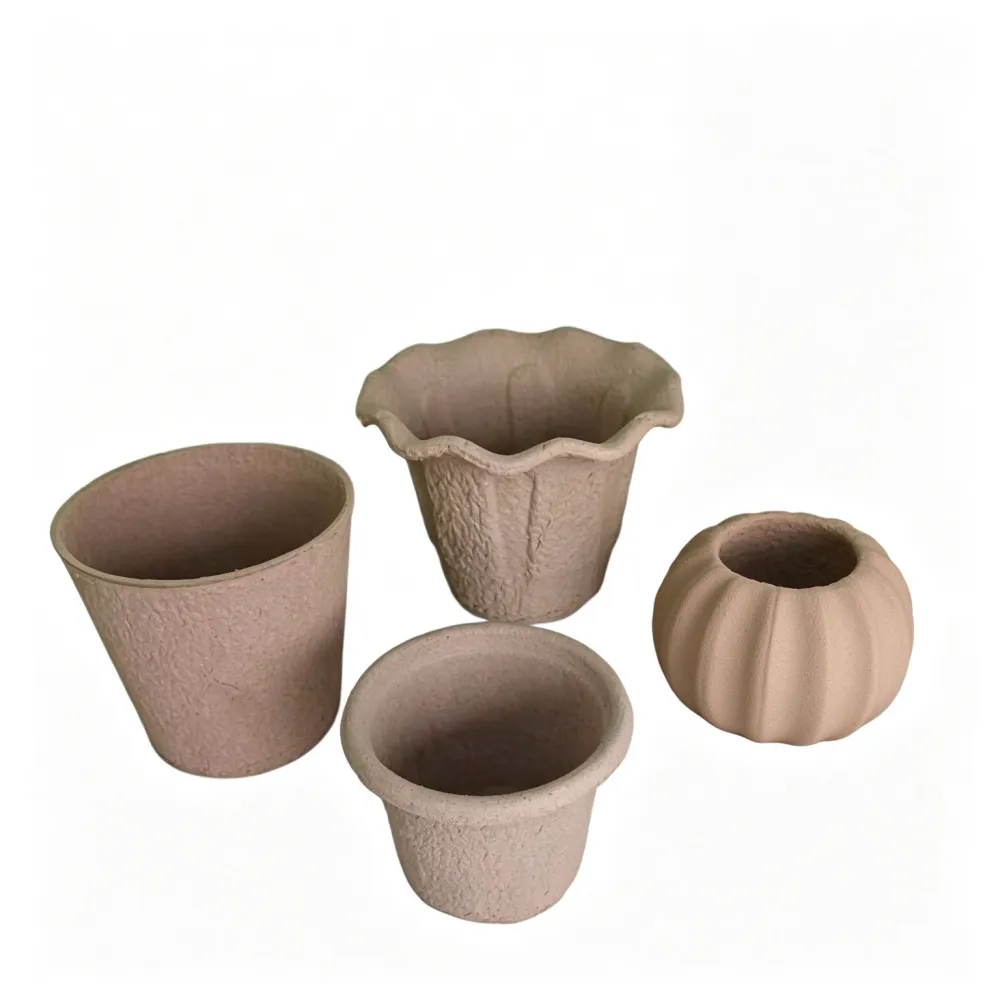
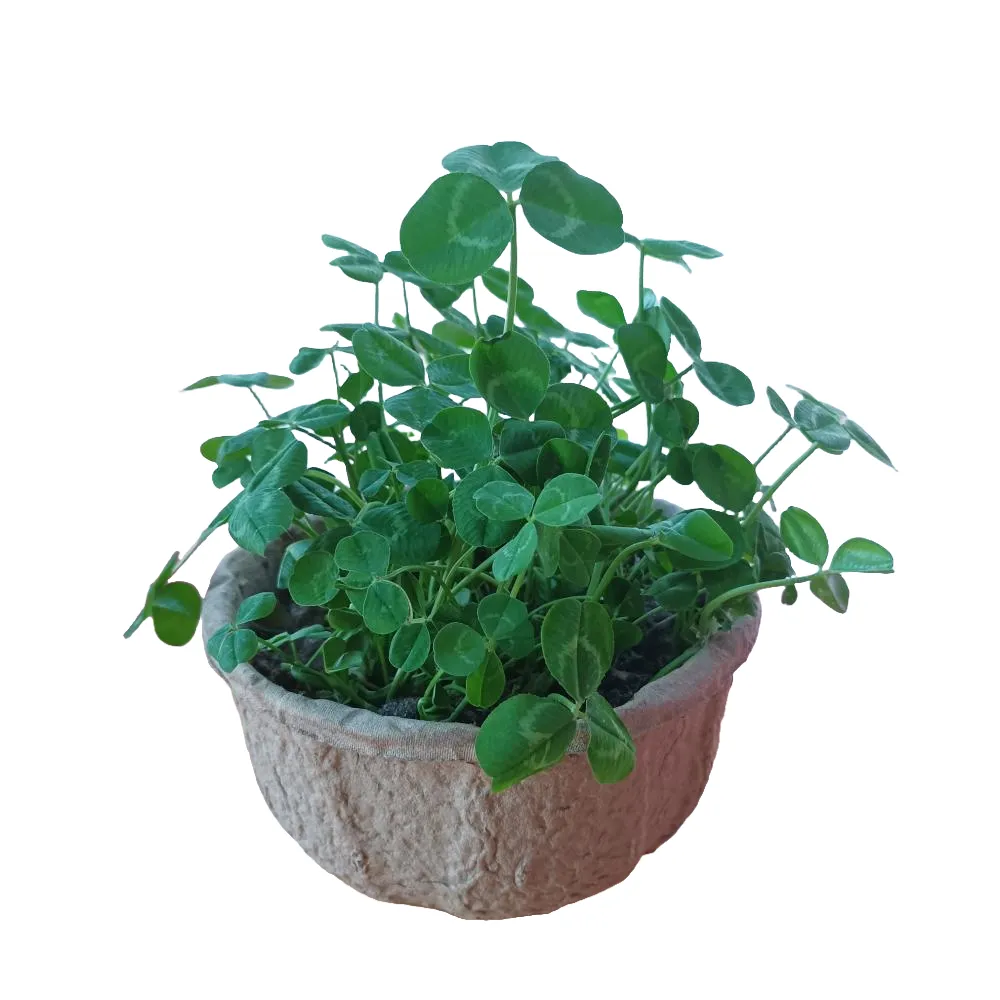
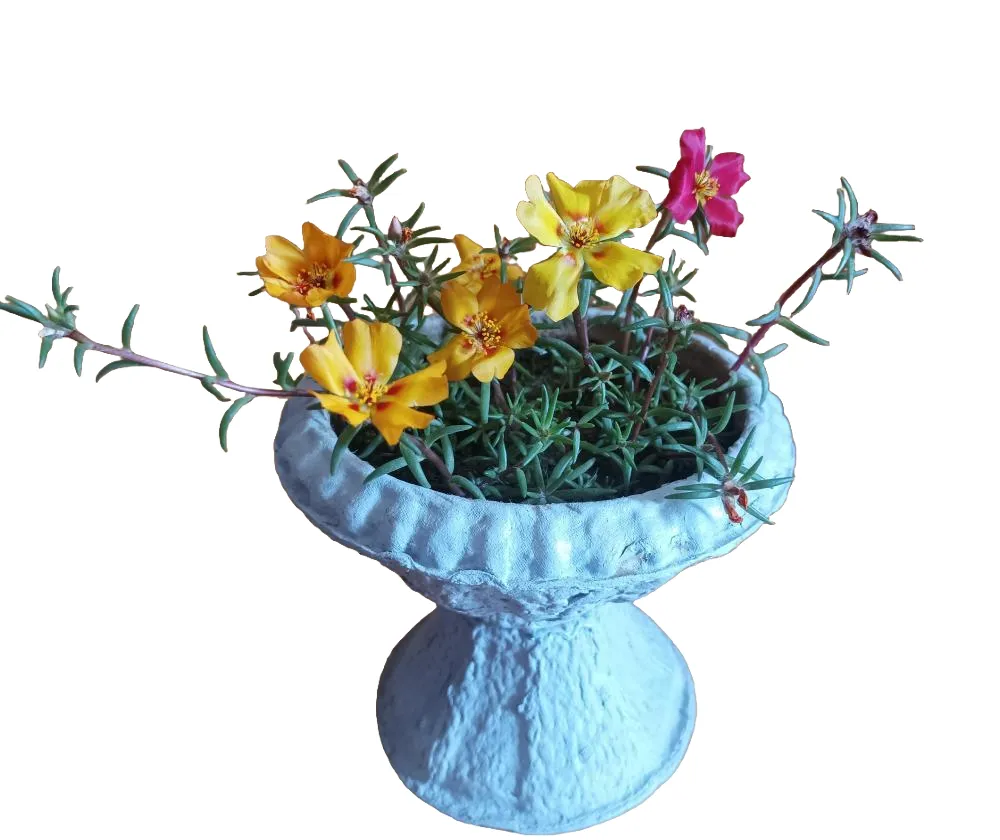
A note on the process: We’re talking about thick-walled, dry-pressed molded pulp pots here, not the thin wet-pressed kind. Dry-pressed pots have a slightly textured surface and a good balance of strength and cost—exactly the profile you want for holding seasonal plants and then composting.
What a Thick-Walled, Dry-Pressed Pulp Pot Actually Is
Raw materials & how they’re made: Pulp pots are formed from plant fibers—wood pulp, bamboo, bagasse, wheat straw, or recycled corrugated cardboard (OCC). The fiber is broken down and beaten into a slurry, then vacuum-formed over a mesh mold and heat-pressed or dried into a thick-walled pot.
Key properties:
· Biodegradable & compostable. Natural fibers break down in compost or soil without leaving microplastics behind.
· Breathable. The porous walls let roots breathe and water drain, which suits short-term growth.
· Customizable. Molds can turn out shapes, embossing, and branding to match a festival theme.
· No sorting. Used pots can go straight into the compost pile with the spent plants.
Pulp vs. Plastic, Side by Side (for Festive Landscaping)
Table 1 Pulp pots vs. plastic pots in festive landscaping
Aspect | Thick-Walled Pulp Pot | Single-Use Plastic Pot |
After the display | Compostable/biodegradable; goes out with the spent plants | Not biodegradable; must be hand-sorted |
Teardown | One-step disposal, no sorting | Piles up; needs manual picking |
Plant health | Breathable, drains well, good for short growth | Airtight; soil can compact |
Strength & life | Fine for a season; not for long-term wet use | Durable and reusable |
Looks & branding | Molds for shapes and embossing | Lots of colors, but a cheap feel |
Sweet spot | Seasonal/event use, short-lived plants | Long-term planting, reuse |
Both pots have their place; this table is scoped specifically to the festive-landscaping use case.
Market Snapshot: A Steady, Not Flashy, Growth Story
Global demand for biodegradable flower pots is climbing at a measured, dependable clip. According to PW Consulting, the worldwide market for biodegradable flower pots stood at about $580 million in 2025 and is projected to reach roughly $925 million by 2032—a compound annual growth rate near 6.9%. That’s steady expansion rather than a sudden spike, which makes it a sound long-term opportunity rather than a passing fad.
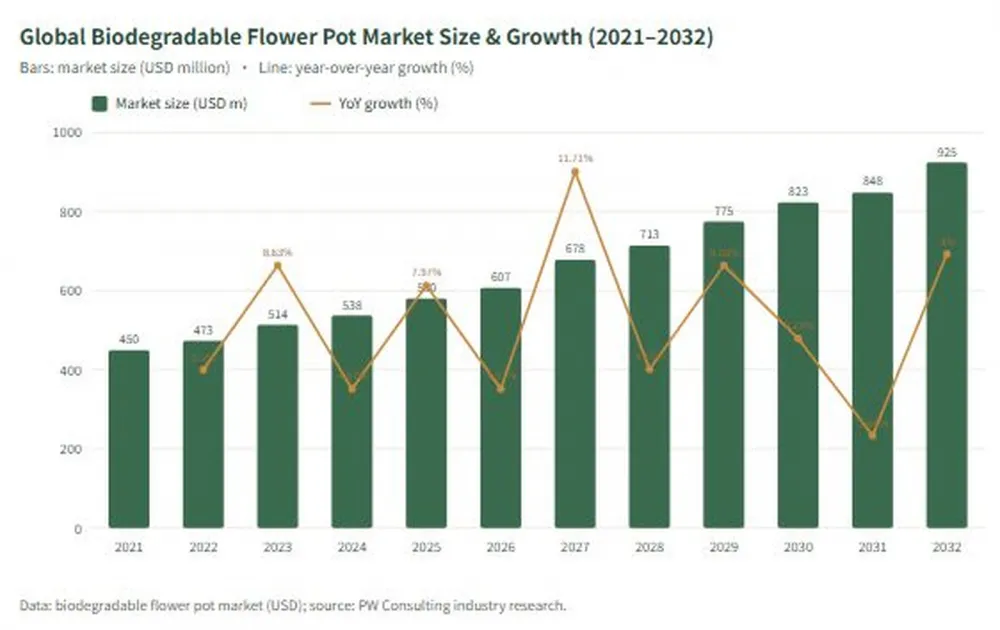
Figure 1 Global biodegradable flower pot market size & growth (2021–2032)
Structurally, wood pulp and paper is the largest material segment (about 33.6% in 2025), commercial greenhouses and nurseries dominate end-use (roughly 65.4%), and Europe is the biggest regional market. In short: fiber- and pulp-based pots already have a solid, well-distributed global demand base—not just a concept.
An Honest Look at the Limits
Pulp pots aren’t the answer everywhere, and it’s worth being clear-eyed about that:
· Water resistance has limits. The fibers soak up water, and prolonged wet conditions can soften the pot, so it’s not built for long-term or heavy-watering use.
· Strength tops out. For very large pots, heavy soil, or long-term load-bearing, plastic or ceramic still wins.
· Unit cost runs a bit higher. Molds and waterproofing add to the per-pot price.
In festive landscaping, though, those limits get neatly sidestepped by the short, concentrated, single-use nature of the job—which is exactly why pulp pots make sense here.
Recently Posted
-
Biodegradable Seedling Pots & Nursery Trays: Why Molded Pulp Is Replacing Plastic
October 14, 2026Biodegradable Seedling Pots & Nursery Trays: Why Molded Pulp Is Replacing PlasticThe shift nobody in horticulture can ignoreWa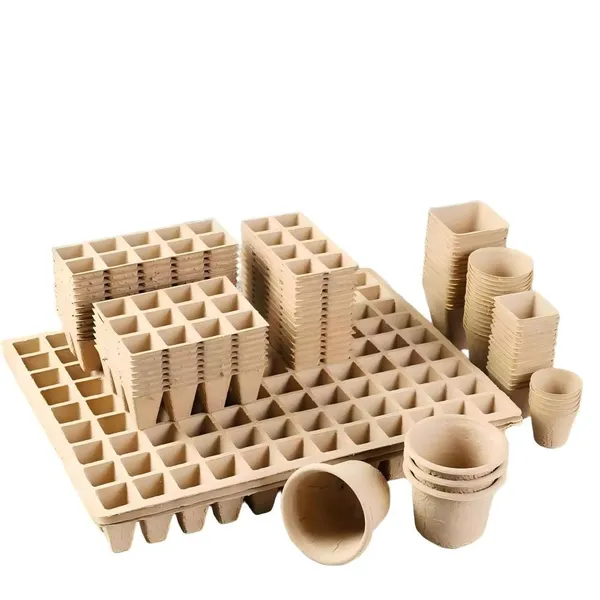 Read More
-
Custom 3D Molded Pulp Packaging: Form-Fitted Protection That Absorbs Transport Damage
October 14, 2026Custom 3D Molded Pulp Packaging: Form-Fitted Protection That Absorbs Transport Da Read More
-
Why Pulp Fold Case Is The Most Underrated Eco Packaging Star In 2026
October 9, 2026Why Pulp Fold Case Is The Most Underrated Eco Packaging Star In 2026Let’s be real: sustainable packaging doesn’t have to be boring Read More
-
Molded Pulp Applications | Full-Scene Sustainable Molded Fiber Packaging Solutions
October 8, 2026Molded Pulp Applications | Full-Scene Sustainable Molded Fiber Packaging SolutionsMolded pulp (also known as molded fiber) is a le Read More

Contact Us
Recommended Products
-
 OEM Molded Pulp Craft Supplies, 60TPD Production Line, 5-15s Cycle Time, Precision Mold Tolerance ±0.5mmNegotiableMOQ: 1000 Pieces
-
Molded Pulp Craft Supplies Bulk Order, Mill Test Report Provided, 100% Quality Inspection Before Shipment, 24h SupportNegotiableMOQ: 1000 Pieces
-
Disposable Pulp Jiffy Pot Peat Pot for Greenhouse Use PlanterNegotiableMOQ: 1000 Pieces
-
72-Cell Paper Pulp Seedling Tray Greenhouse Seed PropagationNegotiableMOQ: 1000 Pieces
-
Recyclable Molded Pulp Storage Box With Heavy Duty Stackable Eco-friendly Water ResistantNegotiableMOQ: 1000 Pieces

-
Pulp Cradle Sheet Roll Guard Protector Holder Suppor Tray Bracket Degradable RecyclableNegotiableMOQ: 1000 Pieces
-
Eco-Friendly Odor Proof Disposable Cat Litter Box – Compostable & BiodegradableNegotiableMOQ: 1000 Pieces
-
Paper Pulp Biodegradable Soap Box Custom Logo, 100% Compostable,NegotiableMOQ: 1000 Pieces
-
150ml Molded Pulp Ice Cream Cup Zero Plastic Eco Friendly Leak Proof Bulk WholesaleNegotiableMOQ: 1000 Pieces
-
8 oz Compostable Molded Pulp Ice Cream Cup Plastic-free Leak Proof Stackable for BulkNegotiableMOQ: 1000 Pieces
-
Custom Molded Pulp Packaging Insert, Pulp Molding, 4-Point Locking System for Secure FitNegotiableMOQ: 1000 Pieces
-
L Shape Kraft Paper Edge Protector Heavy Duty Cardboard Angle Board Recyclable Pallet Corner Protector for Export Shipping PackagingUS$ 0.1MOQ: 1000 Pieces
-
High Strength Paper Angle Board Cardboard Edge Protector Prevent Strapping Damage For Carton Pallet Goods Custom PrintedUS$ 0.1MOQ: 1000 Pieces
-
Heavy-Duty Kraft Paper Slip Sheet Replace Wood Pallets Save 40% Cost With Stable LoadNegotiableMOQ: 1000 Pieces
-
Eco Friendly Kraft Paper Slip Sheet Heavy Duty Push Pull Slip Sheet No Fumigation Pallet For Container Shipping LogisticsNegotiableMOQ: 1000 Pieces
-
1/2 Fold Public Restroom Toilet Seat Paper Covers, 20gsm Virgin Pulp, FlushableNegotiableMOQ: 200 Packs
-
Half Fold Disposable Paper Toilet Seat Covers, Flushable Sanitary Paper Covers for Hotel Hospital Public Restroom Bulk SupplyNegotiableMOQ: 200 Packs
-
Embossed Disposable WC Seat Paper Double Layers Water-solubleNegotiableMOQ: 1000 Packs
-
1/16 Fold Disposable Paper Toilet Seat Coverss, Water-soluble,fluorescent‑freeNegotiableMOQ: 1000 Packs
-
1/4 Fold Disposable Toilet Seat Covers for Hotels, Restaurants, and Office Buildings, Hygienic SolutionNegotiableMOQ: 1000 Packs