
 Business License

Why Kraft Paper Slip Sheets Are Replacing Wooden Pallets in Export Logistics
Why Kraft Paper Slip Sheets Are Replacing Wooden Pallets in Export Logistics
Meta description: Discover how kraft paper slip sheets cut container freight, eliminate ISPM-15 fumigation, and free up 90% of pallet storage space. A B2B buyer's guide.
What Is a Kraft Paper Slip Sheet?
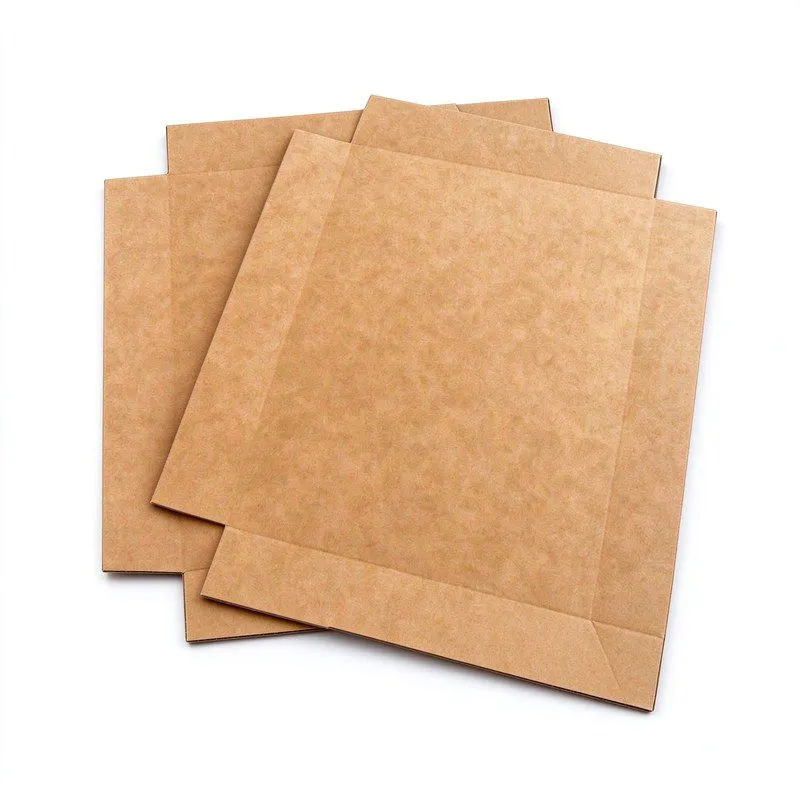
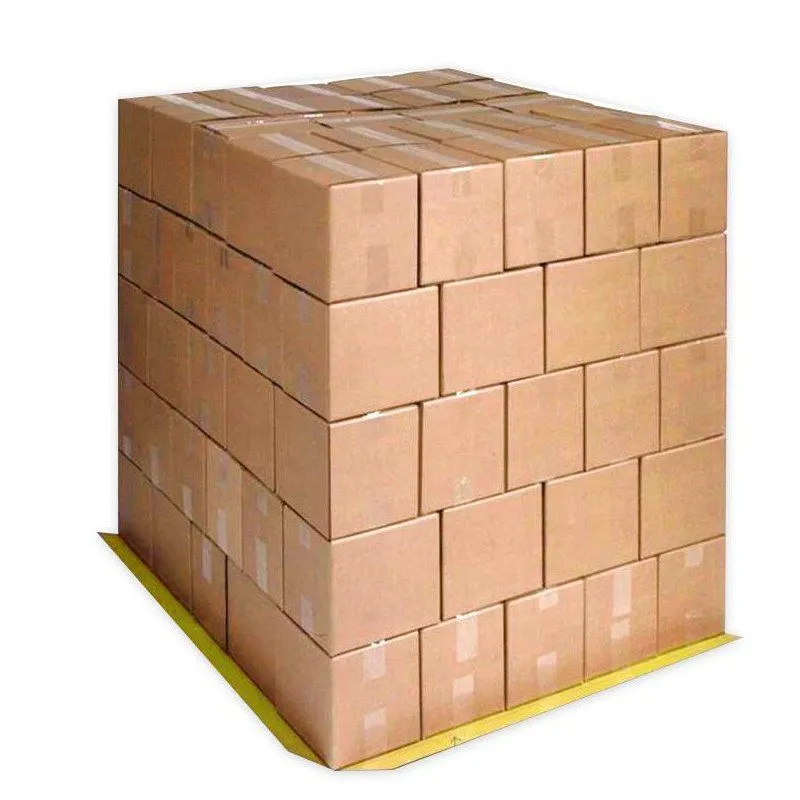
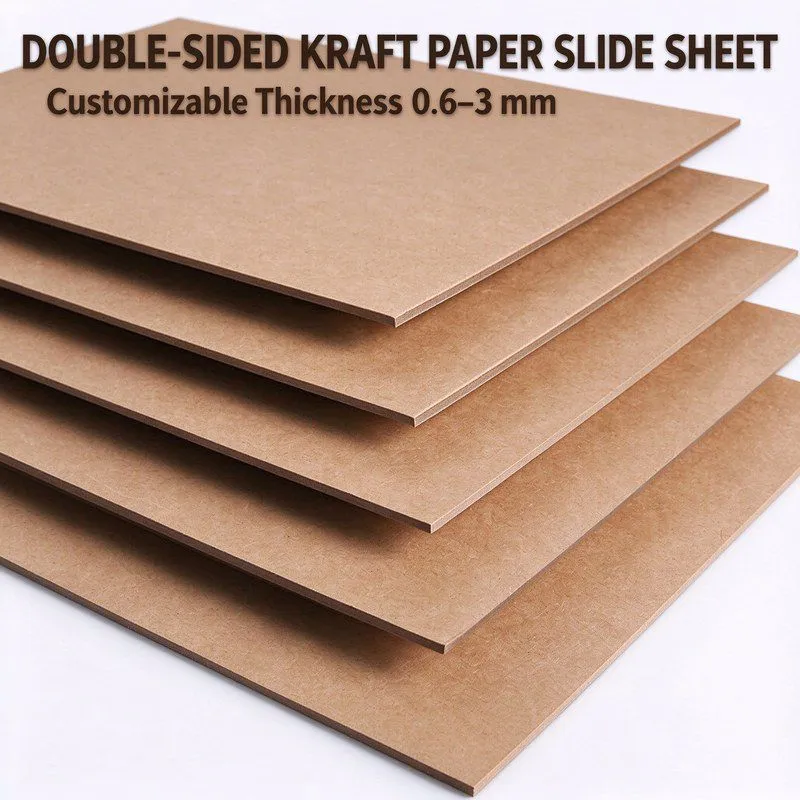
A kraft paper slip sheet (also called a paper slip sheet, pallet slip sheet, or slipsheet) is a thin, flat board made from multiple layers of high-tensile kraft paper bonded under high pressure. It replaces a wooden pallet underneath your unitized cargo and works with a push-pull forklift attachment to slide loads in and out of trailers and shipping containers.
At just 0.6–3 mm thick and weighing 0.2–0.8 kg, a slip sheet carries the same 1,000–2,000 kg unit load as a wooden pallet that weighs 15–25 kg. For exporters, that single difference rewrites the economics of container loading.
How a Slip Sheet Works with Push-Pull Forklifts
The operation is straightforward:
Cartons are stacked directly on the slip sheet.
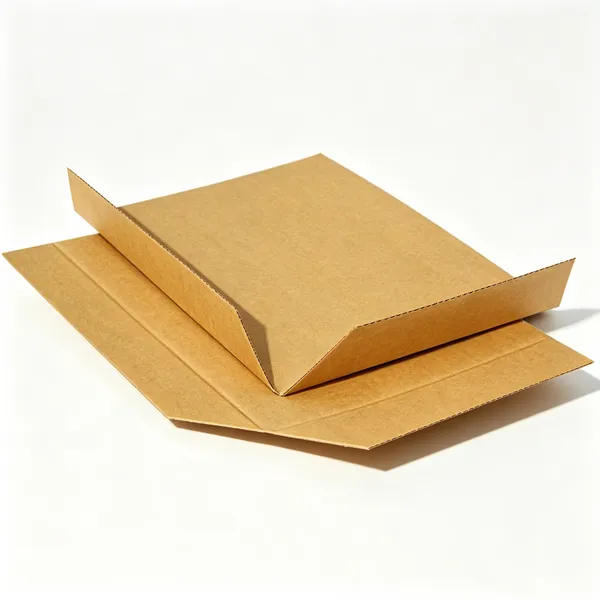
The push-pull attachment's clamp grips the protruding flange (folded edge) of the sheet.
A hydraulic mechanism pulls the load onto the fork or pushes it off onto the container floor.
Inside the container, loads can sit flush against one another — there are no pallet gaps to leave empty.
This is why you will also see the product called a push-pull slip sheet: the flange is not decorative; it is the grip point the clamp holds.
The Four Reasons Exporters Switch to Paper Slip Sheets
1. No ISPM-15 Fumigation — Clear Customs on Day One
Wooden pallets are solid-wood packing material and fall under ISPM-15. Every export shipment must be heat-treated or fumigated, marked with the IPPC stamp, and documented. Missing or damaged marks routinely trigger customs holds, re-export orders, or even whole-container rejections in the EU, US, and Australia.
Kraft paper slip sheets are exempt. They are manufactured paper products — not wood — so they require no treatment, no IPPC mark, and no phytosanitary paperwork. Your cargo moves straight from warehouse to container.
2. Pack 15–20% More Cartons into Every Container
A standard wooden pallet takes up 150 mm of vertical clearance and forces horizontal gaps for fork entry. Slip sheets sit flush under the load, so:
Cartons can be stacked wall-to-wall inside the container.
You eliminate the gap between the load and the container door.
Most exporters report loading 15–20% more cartons per 40HQ after the switch.
That extra volume is pure revenue — the same ocean freight buys meaningfully more product.
3. Cut Pallet Storage Space by Up to 90%
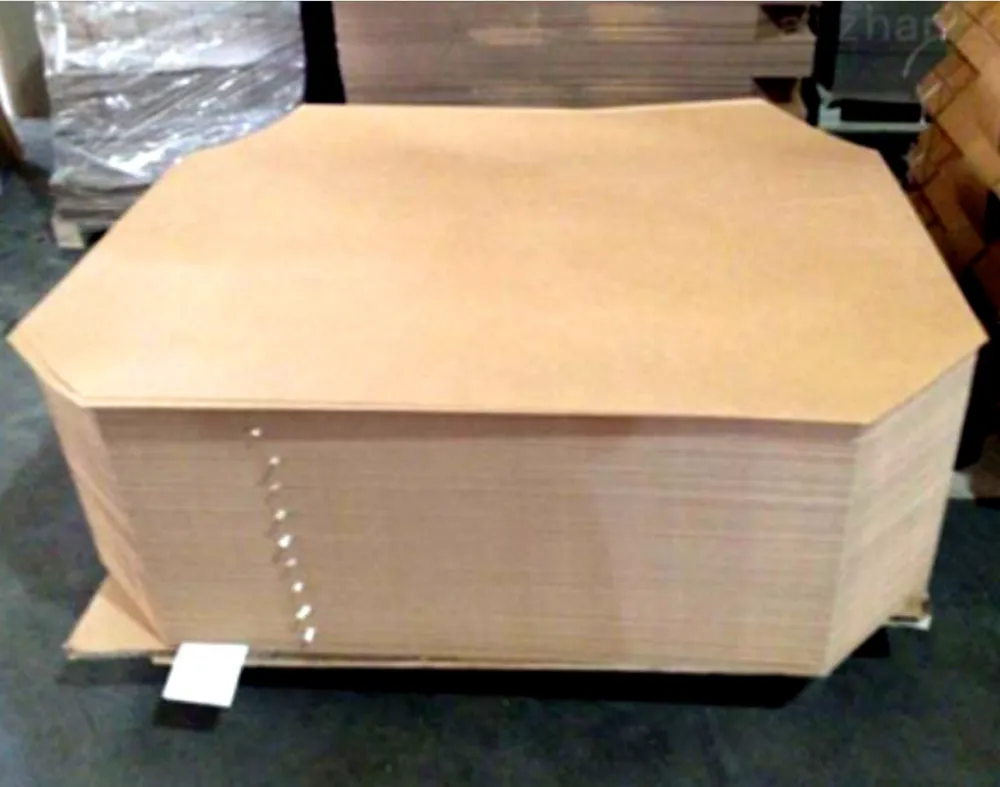
Empty wooden pallets are bulky. A stack of 50 pallets occupies a full corner of your warehouse, and they cannot be stacked perfectly flat. Slip sheets, by contrast, lie completely flat. A 500-sheet bundle takes roughly the footprint of one wooden pallet.
For factories paying urban warehouse rent, that space recovers real working area instead of sitting on idle dunnage.
4. Lower Freight Cost per Unit
Slip sheets reduce cost on three lines at once:
| Cost line | Wooden pallet | Paper slip sheet |
|---|---|---|
| Container loading efficiency | ~70–75% utilization | ~88–90% utilization |
| Tare weight per load | 15–25 kg per pallet | 0.2–0.8 kg |
| Treatment & documentation | Fumigation + IPPC | None |
| Reverse logistics | Pallets must be returned or scrapped | Disposable, recyclable with waste paper |
When you divide the freight bill by more cartons, your landed cost per unit drops — even before counting the pallets you no longer buy.
Slip Sheet Types: Choosing the Right Flange Configuration
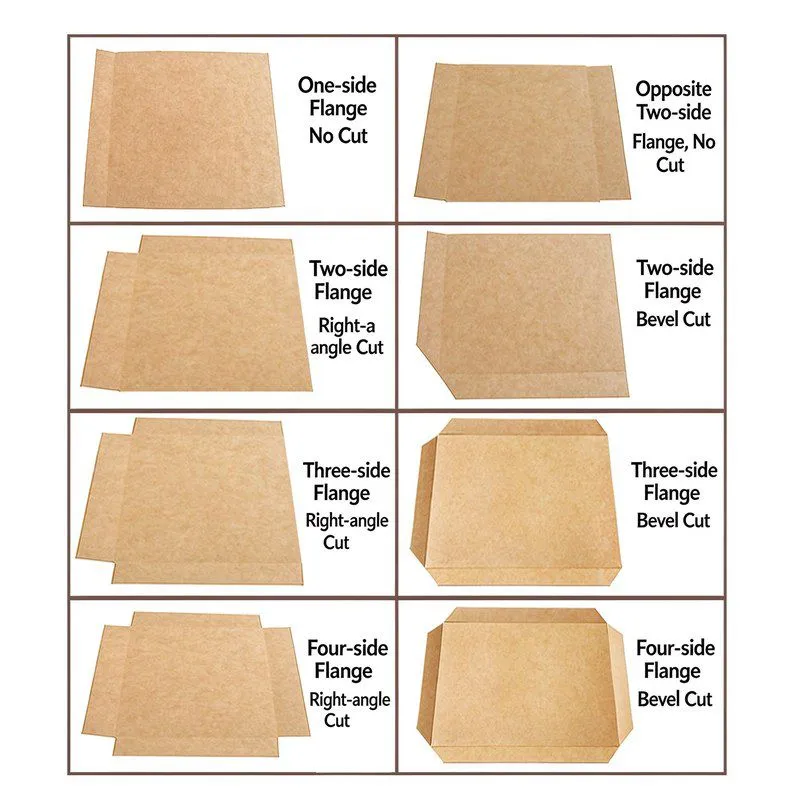
Slip sheets are classified by how many edges are folded up. The right choice depends on which direction your forklift pulls:
| Type | Flange edges | Best for |
|---|---|---|
| One-side flange | 1 edge | Single-direction loading |
| Opposite two-side flange | 2 opposing edges | Two-direction flow |
| Three-side flange | 3 edges | Multi-direction handling |
| Four-side flange | All 4 edges | Maximum flexibility |
Corners are cut either as a right angle or a bevel. Bevel cuts relieve stress at the fold and reduce tearing during repeated clamping.
Specifications Buyers Should Confirm
Basis weight: 250–450 g/m² kraft liner, laminated in 2–6 plies
Thickness: 0.6 / 0.8 / 1.0 / 1.5 / 2.0 / 3.0 mm
Standard sizes: 1100×1100 mm, 1200×1000 mm, 1200×800 mm — custom sizes available
Surface: Single-side or double-side virgin kraft
Optional PE film lamination for humid ocean-export conditions
Static load: up to 3–5 tonnes; dynamic load: 1–2 tonnes
Is Your Operation Ready to Switch?
Before placing a bulk order, confirm three things:
Push-pull attachment installed. Standard forklifts cannot use slip sheets. The clamp attachment is a one-time investment (typically 1,000–2,000 USD) that pays for itself in the first few containers.
Carton burst strength. The bottom cartons take the pulling force. Weak cartons will tear — if your boxes are borderline, upgrade board grade first.
Order samples and run a real trial. Test the flange pull, stack stability, and actual container loading before committing to full production runs.
Frequently Asked Questions
Are paper slip sheets reusable?They are engineered as disposable, single-trip export media. In dry, light-load warehouse loops they may last 2–5 trips, but most customers use them once and recycle them as waste paper.
Do slip sheets need fumigation for export?No. Paper products are outside the ISPM-15 scope. No heat treatment, no fumigation, no IPPC stamp.
How much freight can I actually save?Most exporters load 15–20% more cartons per container. Combined with eliminated pallet cost and treatment fees, the per-unit landed cost typically drops enough to pay back the push-pull attachment within months.
Looking for a custom-size kraft paper slip sheet supplier? Request a free sample and test loading your own cargo before you commit.
Recently Posted
-
Are Compostable Pet Feeding Dishes Better Than Plastic Bowls for Cats?
October 25, 2026Are Compostable Pet Feeding Dishes Better Than Plastic Bowls for Cats?Choosing foodware is one of those small details that many ca Read More
-
Saying Goodbye to Plastic Pots: The Case for Molded Pulp Planters in Festive Landscaping
October 17, 2026Saying Goodbye to Plastic Pots: The Case for Molded Pulp Planters in Festive Landscaping Read More
-
Biodegradable Seedling Pots & Nursery Trays: Why Molded Pulp Is Replacing Plastic
October 14, 2026Biodegradable Seedling Pots & Nursery Trays: Why Molded Pulp Is Replacing PlasticThe shift nobody in horticulture can ignoreWa Read More
-
Custom 3D Molded Pulp Packaging: Form-Fitted Protection That Absorbs Transport Damage
October 14, 2026Custom 3D Molded Pulp Packaging: Form-Fitted Protection That Absorbs Transport Da Read More

Contact Us
Recommended Products
-
 OEM Molded Pulp Craft Supplies, 60TPD Production Line, 5-15s Cycle Time, Precision Mold Tolerance ±0.5mmNegotiableMOQ: 1000 Pieces
-
Molded Pulp Craft Supplies Bulk Order, Mill Test Report Provided, 100% Quality Inspection Before Shipment, 24h SupportNegotiableMOQ: 1000 Pieces
-
Disposable Pulp Jiffy Pot Peat Pot for Greenhouse Use PlanterNegotiableMOQ: 1000 Pieces
-
72-Cell Paper Pulp Seedling Tray Greenhouse Seed PropagationNegotiableMOQ: 1000 Pieces
-
Recyclable Molded Pulp Storage Box With Heavy Duty Stackable Eco-friendly Water ResistantNegotiableMOQ: 1000 Pieces




-
Pulp Cradle Sheet Roll Guard Protector Holder Suppor Tray Bracket Degradable RecyclableNegotiableMOQ: 1000 Pieces
-
Eco-Friendly Odor Proof Disposable Cat Litter Box – Compostable & BiodegradableNegotiableMOQ: 1000 Pieces
-
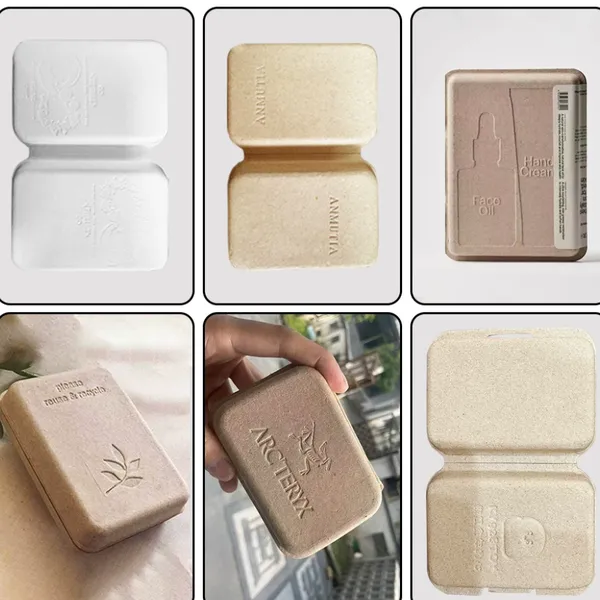
Paper Pulp Biodegradable Soap Box Custom Logo, 100% Compostable,NegotiableMOQ: 1000 Pieces
-
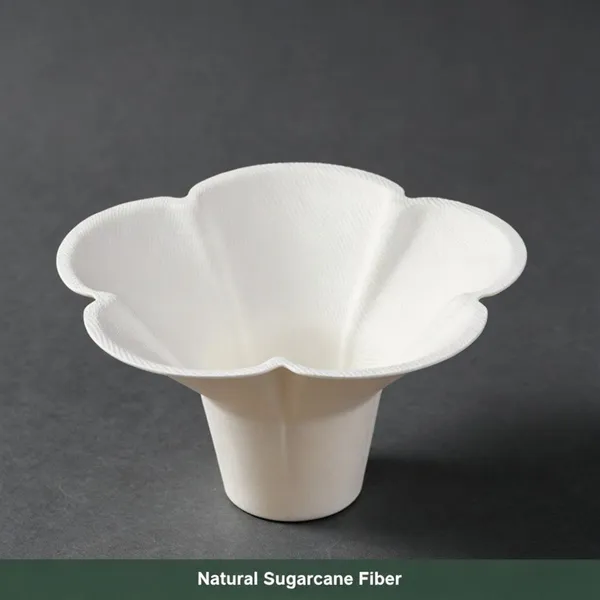
150ml Molded Pulp Ice Cream Cup Zero Plastic Eco Friendly Leak Proof Bulk WholesaleNegotiableMOQ: 1000 Pieces
-
8 oz Compostable Molded Pulp Ice Cream Cup Plastic-free Leak Proof Stackable for BulkNegotiableMOQ: 1000 Pieces

-
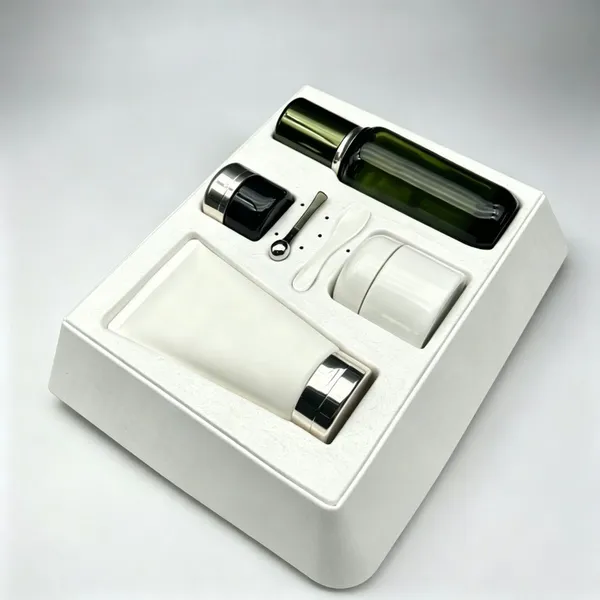
Custom Molded Pulp Packaging Insert, Pulp Molding, 4-Point Locking System for Secure FitNegotiableMOQ: 1000 Pieces
-
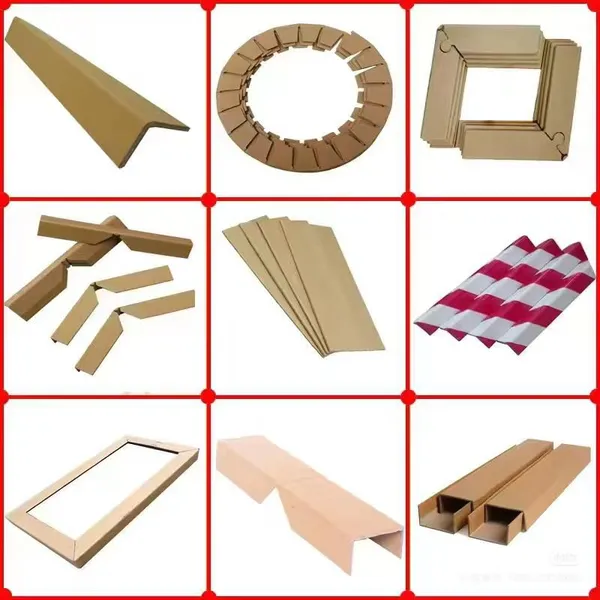
L Shape Kraft Paper Edge Protector Heavy Duty Cardboard Angle Board Recyclable Pallet Corner Protector for Export Shipping PackagingUS$ 0.1MOQ: 1000 Pieces
-
High Strength Paper Angle Board Cardboard Edge Protector Prevent Strapping Damage For Carton Pallet Goods Custom PrintedUS$ 0.1MOQ: 1000 Pieces
-
Heavy-Duty Kraft Paper Slip Sheet Replace Wood Pallets Save 40% Cost With Stable LoadNegotiableMOQ: 1000 Pieces
-
Eco Friendly Kraft Paper Slip Sheet Heavy Duty Push Pull Slip Sheet No Fumigation Pallet For Container Shipping LogisticsNegotiableMOQ: 1000 Pieces
-
1/2 Fold Public Restroom Toilet Seat Paper Covers, 20gsm Virgin Pulp, FlushableNegotiableMOQ: 200 Packs
-
Half Fold Disposable Paper Toilet Seat Covers, Flushable Sanitary Paper Covers for Hotel Hospital Public Restroom Bulk SupplyNegotiableMOQ: 200 Packs
-
Embossed Disposable WC Seat Paper Double Layers Water-solubleNegotiableMOQ: 1000 Packs
-
1/16 Fold Disposable Paper Toilet Seat Coverss, Water-soluble,fluorescent‑freeNegotiableMOQ: 1000 Packs
-
1/4 Fold Disposable Toilet Seat Covers for Hotels, Restaurants, and Office Buildings, Hygienic SolutionNegotiableMOQ: 1000 Packs