
 Business License

Are Compostable Pet Feeding Dishes Better Than Plastic Bowls for Cats?
Are Compostable Pet Feeding Dishes Better Than Plastic Bowls for Cats?
Choosing foodware is one of those small details that many cat owners overlook. For a long time, lightweight, low-cost plastic bowls have been the go-to choice for pet parents, boarding facilities and pet shops alike. But as awareness grows around feline health and sustainable living, plant-fiber compostable feeding dishes have stepped into the spotlight.
Made from either bagasse fiber or recycled pulp, these dishes are formed using a molded pulp process under high heat and pressure. Many buyers and cat keepers ask the same question: are these plant-based single-use feeders really a better pick than traditional plastic bowls?
We’ll break this down by looking at feline health, day-to-day usability, labour costs and global compliance standards.
The Hidden Downsides of Plastic Cat Bowls
Plastic bowls are cheap and tough enough to stand up to daily use, but they come with notable drawbacks.
First, they are prone to harbouring bacteria, which often leads to feline acne, commonly known as “chin acne”. Plastic is not perfectly inert. Over time, fine scratches build up on the surface. Grease from cat food and saliva get trapped inside these micro-abrasions, forming a stubborn biofilm that regular rinsing cannot remove. Bacteria multiply in these spots, irritating your cat’s skin.
Second, there are concerns around chemical leaching. Budget plastic bowls may contain BPA, phthalates and other unwanted additives. When exposed to oily food or warm wet cat food, plastics can slowly shed microplastics, which accumulate in a cat’s body over time.
Waste is another big issue. Most plastic pet bowls fall into the category of mixed plastics, which have almost no recycling value. Once discarded, they can persist in the environment for hundreds of years. On top of that, plastic single-use items face tighter regulatory restrictions across Europe and North America.
For catteries, shelters and vet clinics, plastic also creates extra cleaning work. Every bowl needs to be scrubbed, soaked and sanitised between uses, which adds up to significant labour and supply costs when you are feeding multiple animals.
Key Benefits of Compostable Plant‑Fiber Feeding Dishes
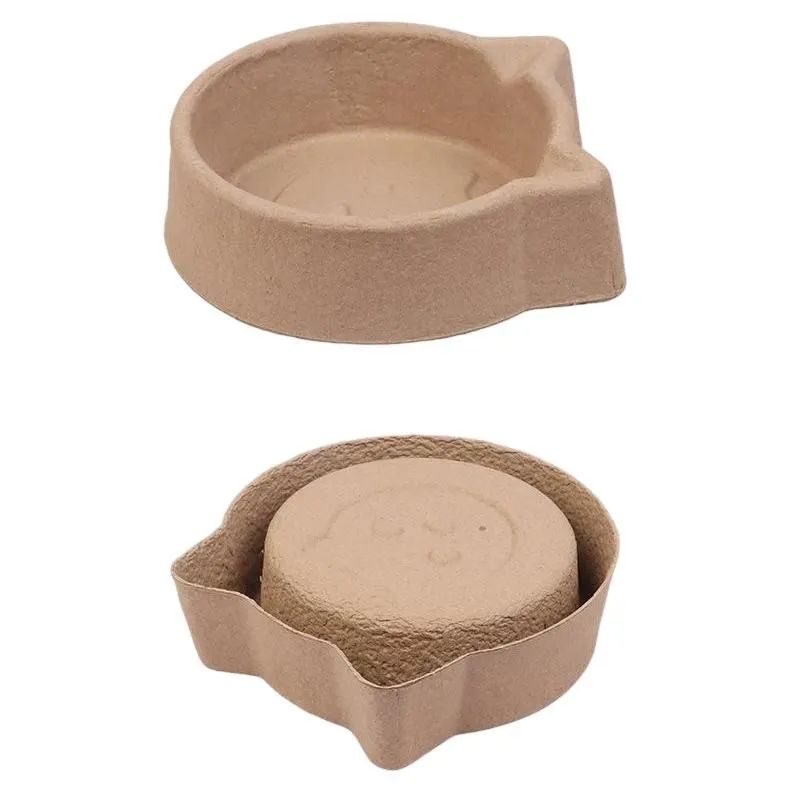
Our compostable feeding dishes are crafted from natural plant fibers — available in two main material options: bagasse fiber and recycled pulp. They are thermoformed under high heat and pressure. This high-temperature forming step does double duty: it shapes the dish and sterilises it in the same process, so it arrives clean right out of production.
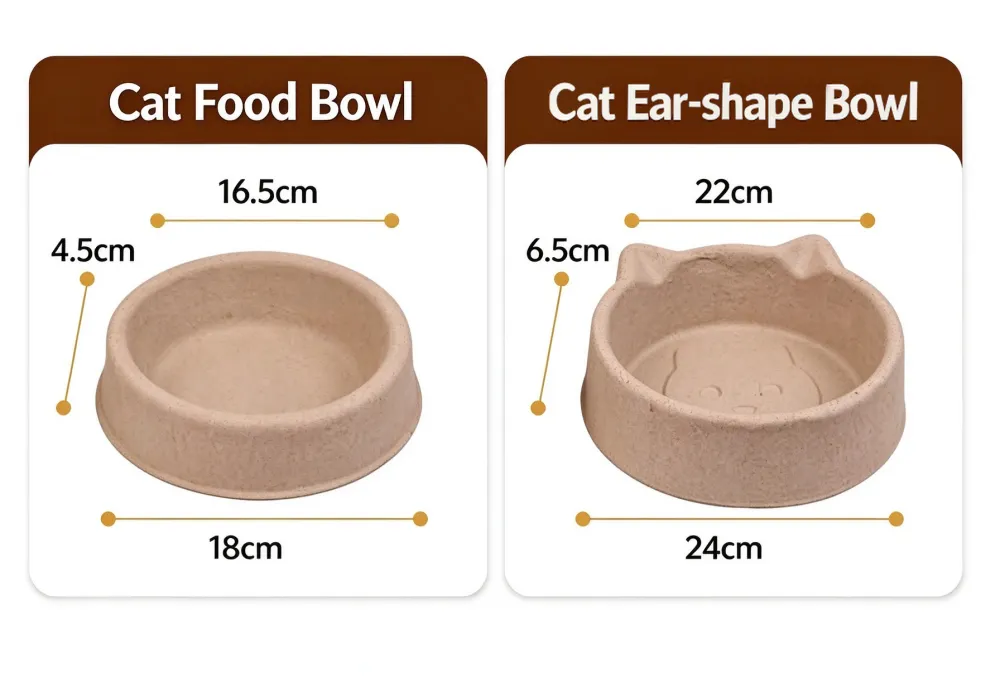
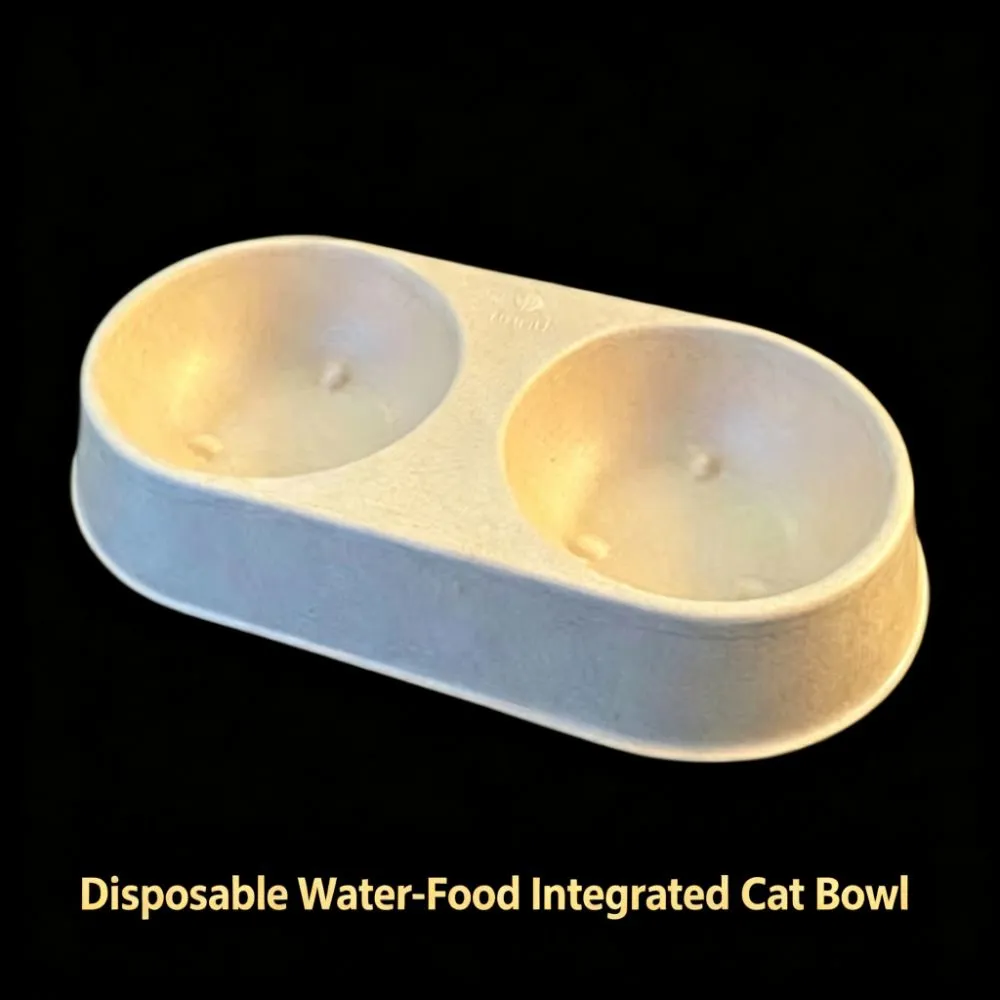
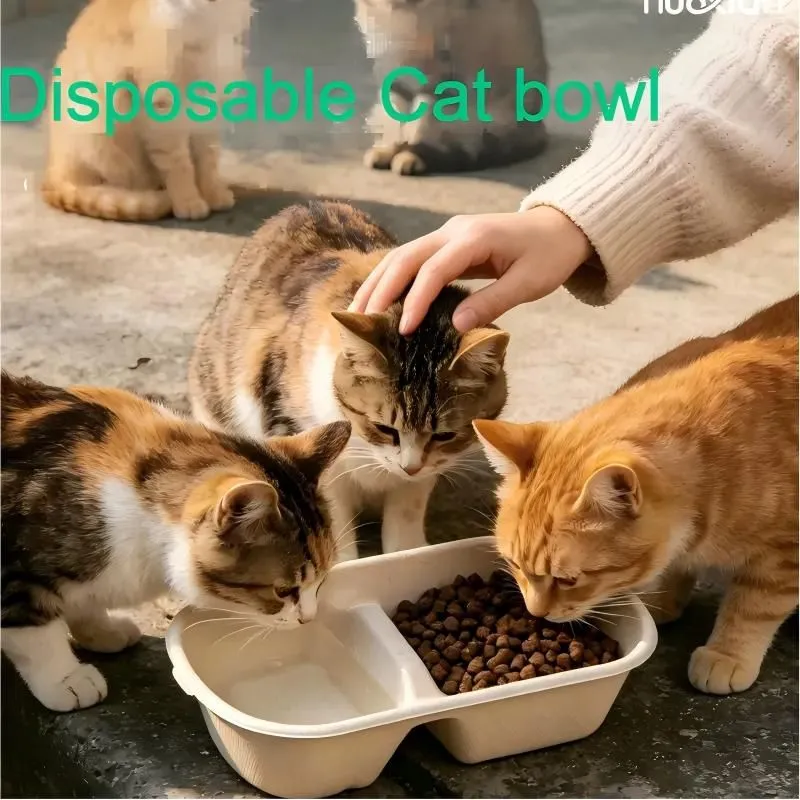
We offer round dishes, cat-ear shaped styles and two-compartment trays. All are treated with water and grease resistance, so they work well for dry kibble, wet food and drinking water.
PFAS‑Free, Food‑Safe Design — Sterilised During Heat Forming
Quality plant-fiber feeders contain no PFAS, BPA or optical brighteners. The high heat of compression sterilises the material as it forms. Combine that with single-use design, and you eliminate the scratched surfaces where bacteria settle. This greatly lowers the risk of chin acne and cross-contamination between cats, which makes them ideal for multi-cat households, boarding kennels and veterinary practices.
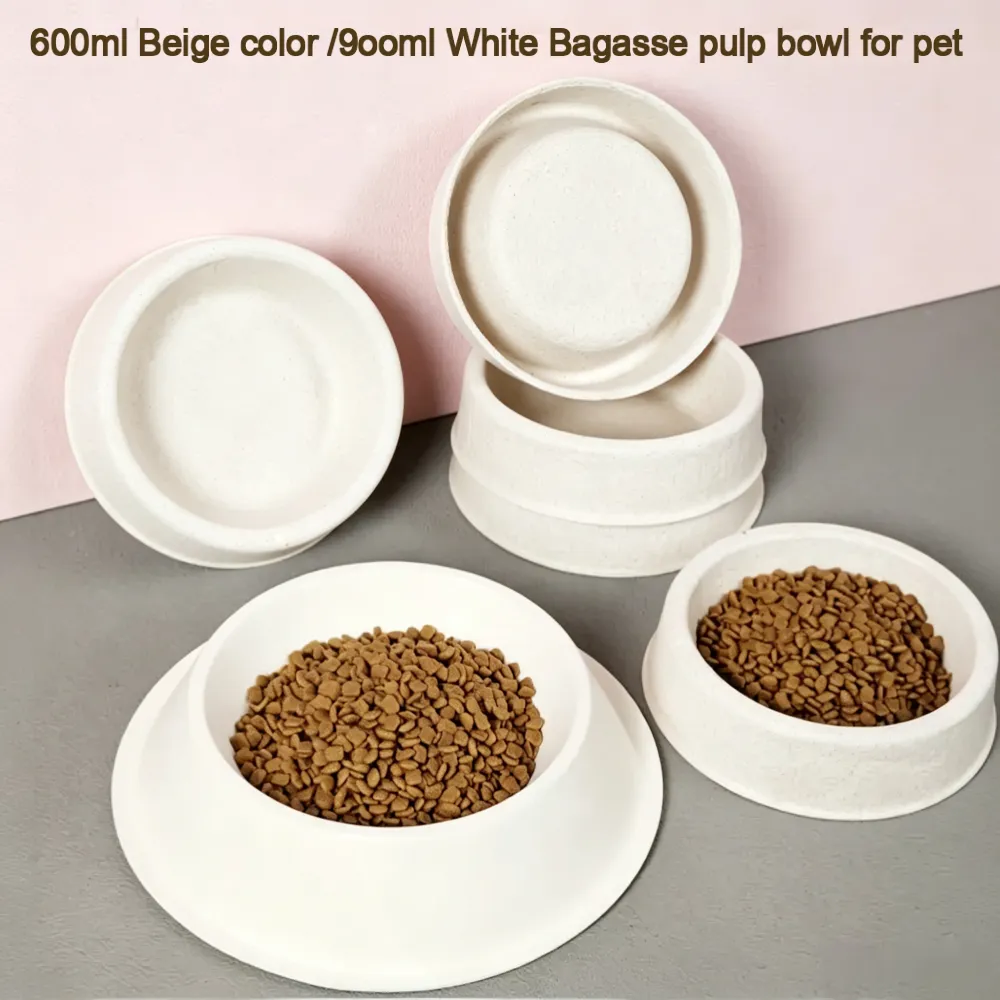
Quick note for buyers: bagasse fiber typically has a pale beige tone, while recycled pulp is naturally a darker brown. Both meet compostable standards, so you can select the material to match your colour preference, budget and sustainability brief.
Disposable Format Eliminates Time‑Consuming Cleaning
Once feeding is finished, you simply dispose of the dish. There is no scrubbing, sanitising or drying needed. This makes them perfect for travelling with cats, camping, pet sitting and feeding stray animals. Our two-compartment design even lets you serve food and water in one tray.
Fast Breakdown in Moist Soil + Certified Industrial Compostability
These are natural plant-based products. When discarded in damp soil with active microbes, they break down quickly. The compost timelines listed on certification documents refer strictly to controlled industrial composting conditions — consistent elevated temperature, moisture and microbial activity — required to pass standards such as EN13432 for export. In plain terms: they decompose far faster in natural damp ground than the certified test cycle, but official certification follows the regulated industrial test protocol to satisfy overseas compliance rules.
Custom Molded Pulp Shapes for Private Label Brands
Beyond standard round dishes, our cat-ear feeders and dual-compartment trays can be printed with custom logos and made to bespoke colour requirements. You can choose bagasse or recycled pulp as your base material, making them easy for pet brands and retailers to private label and order in bulk.
One important limitation to keep in mind: they are designed for single, short-term use. The water and grease barrier is engineered for one feeding session. If left submerged continuously, the fiber will soften, so they are not meant for permanent water stations.
Plastic vs Compostable Pet Feeding Dishes — Side‑by‑Side Comparison
| Factor | Plastic Cat Bowls | Compostable Plant-Fiber Feeding Dishes (Bagasse / Recycled Pulp) |
|---|---|---|
| Feline Health | Fine scratches trap bacteria; chemical and microplastic risks; requires manual sanitising | Heat-sterilised during forming; single-use so no scratch buildup; PFAS-free; low cross-infection risk |
| Cleaning Routine | Repeated washing and sanitising; high labour cost | Factory-sterilised, disposable, no post-use cleaning |
| Environmental Impact | Extremely slow to degrade, long-lasting plastic pollution | Natural plant fiber; breaks down rapidly in moist soil; meets industrial composting standards |
| Best Use Cases | Permanent feeding stations at home | Travel, boarding, shelters, vet clinics, temporary feeding |
| Global Compliance | Increasing plastic bans and restrictions in Western markets | Aligns with EUDR and EN13432; preferred by ESG-focused overseas buyers |
| Lifespan | Reusable long term | Single-use / short-session use |
Which Feeding Option Works Best for Your Cats?
Compostable plant-fiber feeding dishes are the better fit if:
You run a cattery, boarding service, animal shelter or vet clinic and need tight control over cross-contamination
You regularly travel, camp or use a pet sitter for your cat
You are a brand or retailer selling to European and North American markets and building an eco-friendly product line; you can pick between bagasse or recycled pulp to hit your goals
You manage a multi-cat home and want to avoid constant bowl scrubbing
Plastic bowls may still work for you if:
You have one cat at home, and you are consistent about deep cleaning and regular replacement
You are working to a tight budget for fixed, permanent feeding stations and do not need a disposable hygienic solution
The bottom line: neither option works perfectly for every scenario. But for temporary feeding, group settings and on-the-go use, compostable plant-fiber feeding dishes offer a safer, cleaner alternative that fits the global shift toward less plastic.
Frequently Asked Questions
Q1: Are these molded pulp cat feeders waterproof?
A: They have a water and grease-resistant coating designed for one feeding session. They hold dry kibble, wet food and water reliably for short use, but will soften if left soaking continuously. They are not made as permanent water bowls.
Q2: What is the difference between bagasse and recycled pulp feeders?
A: Both are plant-fiber, PFAS-free and compostable. Bagasse gives a pale beige finish, while recycled pulp is naturally brown. The choice usually comes down to colour preference, budget and your sustainability messaging.
Q3: Does high-heat pressing really sterilise the dish?
A: Yes. The thermoforming process uses high temperature and pressure to shape the pulp, which sterilises the product during production. Every dish arrives clean and ready for use.
Q4: How fast do they break down?
A: In damp soil with microbes, they break down quickly. The EN13432 certified compost cycle refers to controlled industrial composting conditions only, which is the standard required for export compliance.
Q5: Can I get custom logos or custom colours?
A: Absolutely. We offer OEM and private label service. Round dishes, cat-ear shaped feeders and two-compartment trays can all be custom printed for bulk brand orders.
Q6: Are they suitable for shelters, vet clinics and catteries?
A: They are an excellent fit for these settings. The pre-sterilised, single-use design cuts cleaning labour and greatly reduces cross-contamination risk between cats.
Q7: Are they free from PFAS, BPA and other harmful additives?
A: Our plant-fiber feeding dishes are food-grade, PFAS-free and BPA-free, with no optical brighteners added.
Q8: Do they meet European and North American sustainability regulations?
A: Yes. They comply with EN13432 and align with EUDR requirements, making them suitable for brands selling into EU, UK and North American markets.
Final Thoughts
Caring for pets means looking after both their wellbeing and the world around us. Plastic bowls have served cat owners for decades, yet their drawbacks are hard to ignore. Molded pulp plant-fiber feeders are not here to replace all traditional petware — they offer a cleaner, sustainable alternative.
Manufactured with integrated heat sterilisation, and available in bagasse or recycled pulp grades, they break down readily in damp soil while holding the certification paperwork your international customers need.
If you are a pet product buyer or brand owner, PFAS-free compostable feeders are a fast-growing green product category. We support OEM customisation with round dishes, cat-ear styles and two-compartment feeding trays available for bulk orders.
Recently Posted
-
Why Kraft Paper Slip Sheets Are Replacing Wooden Pallets in Export Logistics
October 24, 2026Why Kraft Paper Slip Sheets Are Replacing Wooden Pallets in Export LogisticsMeta description: Discover how kraft paper slip sheets Read More
-
Saying Goodbye to Plastic Pots: The Case for Molded Pulp Planters in Festive Landscaping
October 17, 2026Saying Goodbye to Plastic Pots: The Case for Molded Pulp Planters in Festive Landscaping Read More
-
Biodegradable Seedling Pots & Nursery Trays: Why Molded Pulp Is Replacing Plastic
October 14, 2026Biodegradable Seedling Pots & Nursery Trays: Why Molded Pulp Is Replacing PlasticThe shift nobody in horticulture can ignoreWa Read More
-
Custom 3D Molded Pulp Packaging: Form-Fitted Protection That Absorbs Transport Damage
October 14, 2026Custom 3D Molded Pulp Packaging: Form-Fitted Protection That Absorbs Transport Da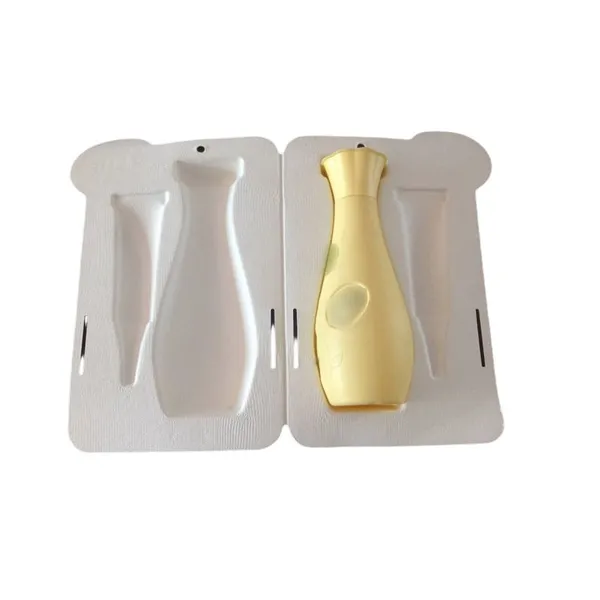 Read More

Contact Us
Recommended Products
-
 OEM Molded Pulp Craft Supplies, 60TPD Production Line, 5-15s Cycle Time, Precision Mold Tolerance ±0.5mmNegotiableMOQ: 1000 Pieces
-
Molded Pulp Craft Supplies Bulk Order, Mill Test Report Provided, 100% Quality Inspection Before Shipment, 24h SupportNegotiableMOQ: 1000 Pieces
-
Disposable Pulp Jiffy Pot Peat Pot for Greenhouse Use PlanterNegotiableMOQ: 1000 Pieces
-
72-Cell Paper Pulp Seedling Tray Greenhouse Seed PropagationNegotiableMOQ: 1000 Pieces
-
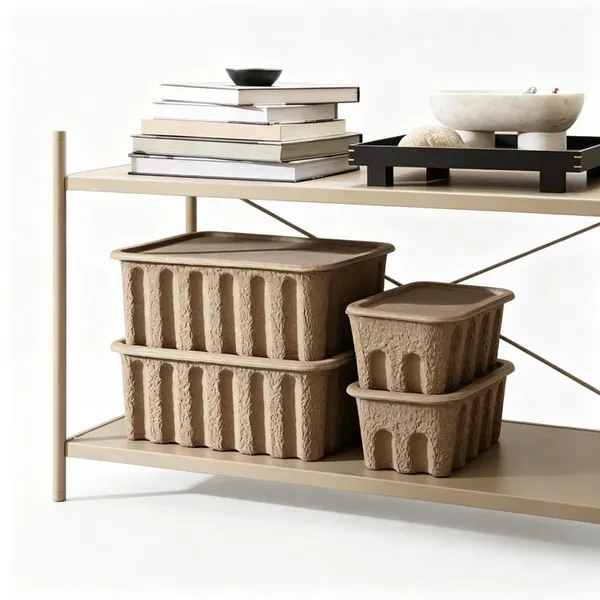
Recyclable Molded Pulp Storage Box With Heavy Duty Stackable Eco-friendly Water ResistantNegotiableMOQ: 1000 Pieces

-
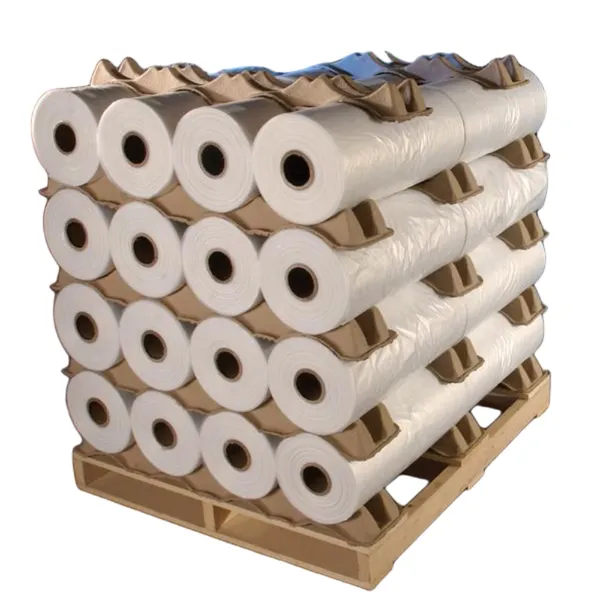
Pulp Cradle Sheet Roll Guard Protector Holder Suppor Tray Bracket Degradable RecyclableNegotiableMOQ: 1000 Pieces
-
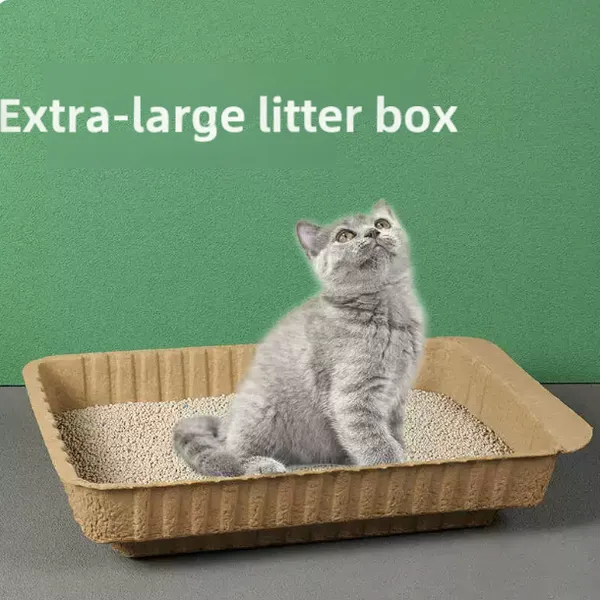
Eco-Friendly Odor Proof Disposable Cat Litter Box – Compostable & BiodegradableNegotiableMOQ: 1000 Pieces
-
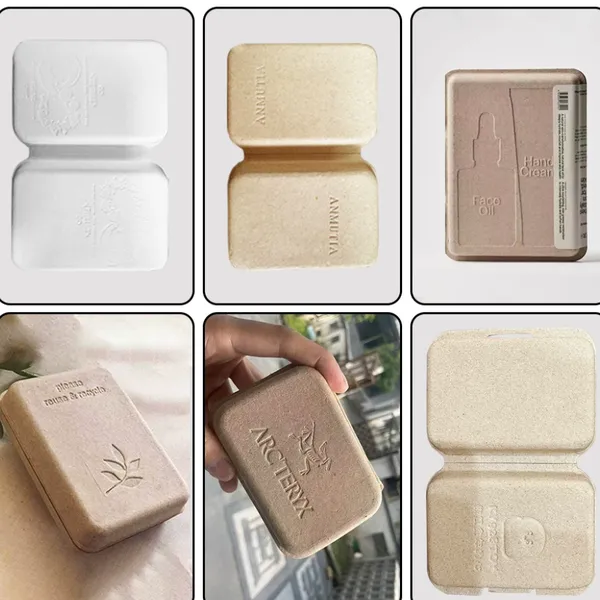
Paper Pulp Biodegradable Soap Box Custom Logo, 100% Compostable,NegotiableMOQ: 1000 Pieces
-
150ml Molded Pulp Ice Cream Cup Zero Plastic Eco Friendly Leak Proof Bulk WholesaleNegotiableMOQ: 1000 Pieces
-
8 oz Compostable Molded Pulp Ice Cream Cup Plastic-free Leak Proof Stackable for BulkNegotiableMOQ: 1000 Pieces
-
Custom Molded Pulp Packaging Insert, Pulp Molding, 4-Point Locking System for Secure FitNegotiableMOQ: 1000 Pieces
-
L Shape Kraft Paper Edge Protector Heavy Duty Cardboard Angle Board Recyclable Pallet Corner Protector for Export Shipping PackagingUS$ 0.1MOQ: 1000 Pieces
-
High Strength Paper Angle Board Cardboard Edge Protector Prevent Strapping Damage For Carton Pallet Goods Custom PrintedUS$ 0.1MOQ: 1000 Pieces
-
Heavy-Duty Kraft Paper Slip Sheet Replace Wood Pallets Save 40% Cost With Stable LoadNegotiableMOQ: 1000 Pieces
-
Eco Friendly Kraft Paper Slip Sheet Heavy Duty Push Pull Slip Sheet No Fumigation Pallet For Container Shipping LogisticsNegotiableMOQ: 1000 Pieces
-
1/2 Fold Public Restroom Toilet Seat Paper Covers, 20gsm Virgin Pulp, FlushableNegotiableMOQ: 200 Packs
-
Half Fold Disposable Paper Toilet Seat Covers, Flushable Sanitary Paper Covers for Hotel Hospital Public Restroom Bulk SupplyNegotiableMOQ: 200 Packs
-
Embossed Disposable WC Seat Paper Double Layers Water-solubleNegotiableMOQ: 1000 Packs
-
1/16 Fold Disposable Paper Toilet Seat Coverss, Water-soluble,fluorescent‑freeNegotiableMOQ: 1000 Packs
-
1/4 Fold Disposable Toilet Seat Covers for Hotels, Restaurants, and Office Buildings, Hygienic SolutionNegotiableMOQ: 1000 Packs